
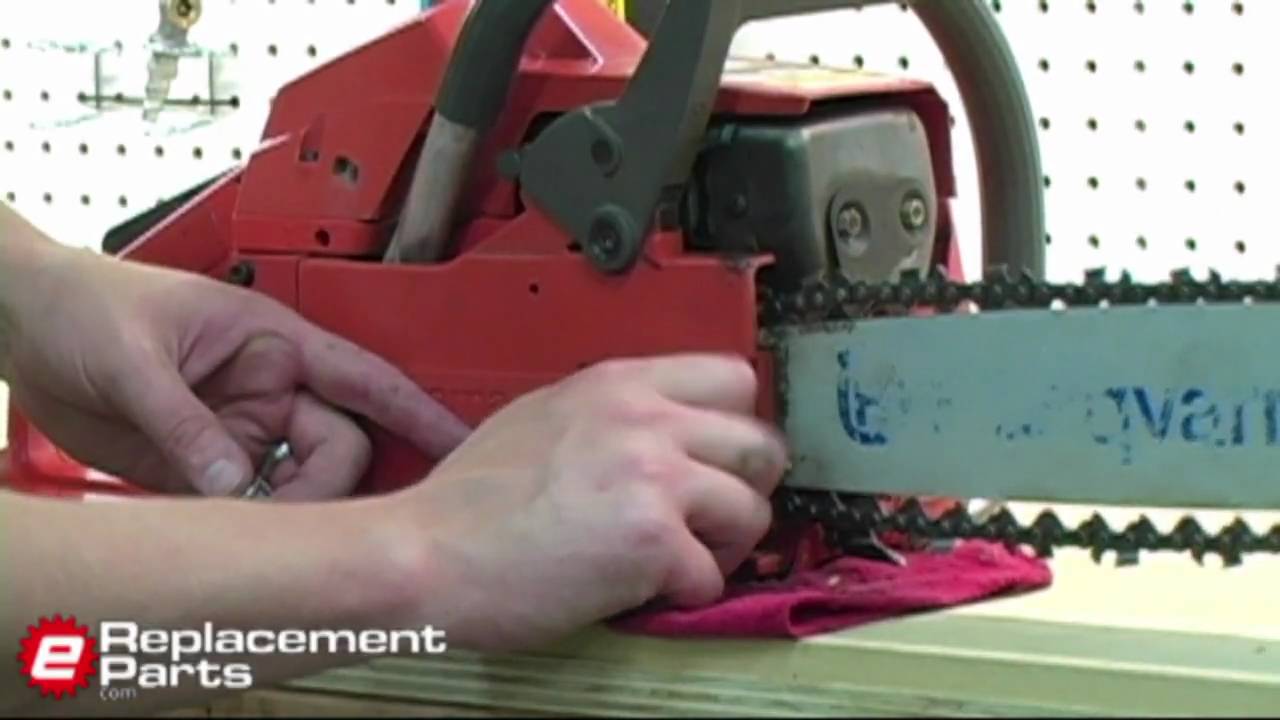
Image Source: i.ytimg.com
How To Replace The Chain On A Chainsaw: Step-by-Step Guide
Can you replace a chainsaw chain yourself? Yes, absolutely! Replacing a dull or damaged chainsaw chain is a straightforward DIY task that’s crucial for safe and effective operation. This in-depth guide will walk you through every step of changing your chainsaw chain, ensuring you can tackle this essential piece of chainsaw maintenance with confidence.
Why Change Your Chainsaw Chain?
A chainsaw chain is the workhorse of your tool. Over time, its sharp teeth will dull, its links can stretch, and it might even become damaged from hitting rocks or other hard objects. Using a dull chain not only makes cutting much harder and slower but also puts undue stress on your chainsaw’s engine, bar, and sprocket. This can lead to premature wear and costly repairs. Regularly changing or sharpening your chainsaw chain is key to efficient and safe chainsaw use.
This chainsaw chain replacement guide is designed for all levels of experience. We’ll cover everything from identifying the right replacement chain to the final tension adjustment.
Gathering Your Tools and Supplies
Before you begin the process of changing your chainsaw chain, ensure you have everything you need. This will make the job smoother and prevent interruptions.
- New Chainsaw Chain: The most critical part. Make sure it matches your chainsaw’s specifications for length, pitch, and gauge.
- Chainsaw Bar: While not always necessary to replace with the chain, it’s good to inspect it for wear.
- Gloves: Heavy-duty work gloves are essential for protecting your hands from sharp edges and grease.
- Safety Glasses or Face Shield: Protect your eyes from flying debris.
- Scrench or Combination Tool: This is the specialized tool that usually comes with your chainsaw and is used to loosen the bar nuts and adjust the chain tension.
- Flathead Screwdriver: May be needed for some chain tension adjustment mechanisms.
- Wire Brush: For cleaning debris from the bar groove and around the sprocket.
- Rag or Paper Towels: For wiping away dirt and oil.
- Owner’s Manual: Always a good reference for specific model information.
Step 1: Preparing Your Chainsaw for Chain Replacement
Safety first! Always disconnect the spark plug wire before you start any work on your chainsaw. This prevents accidental starts.
- Locate the Spark Plug: Find the spark plug, usually a black rubber boot connected to a wire.
- Disconnect the Wire: Gently pull the spark plug wire boot away from the spark plug. Ensure it’s completely detached.
- Place the Chainsaw Safely: Set your chainsaw on a stable, flat surface.
Step 2: Loosening the Bar Nuts
The chainsaw bar is held in place by bar nuts. You’ll need to loosen these to slide the bar forward and release tension on the chain.
- Identify the Bar Nuts: These are typically two nuts located on the side of the chainsaw where the bar attaches.
- Use the Scrench: Fit the appropriate end of your scrench onto one of the bar nuts.
- Turn Counterclockwise: Rotate the nut counterclockwise to loosen it. You don’t need to remove the nuts completely, just loosen them enough so the bar can move.
- Repeat for the Second Nut: Do the same for the other bar nut.
Step 3: Releasing Chain Tension
Many chainsaws have a built-in chain tensioning system that needs to be adjusted.
- Locate the Tensioning Screw: This screw is usually found near the bar on the front of the chainsaw. Some models have it on the side, near the clutch cover. Refer to your owner’s manual if you’re unsure.
- Adjust the Tension: Turn the tensioning screw counterclockwise to loosen the chain. You’ll notice the chain becoming slack around the bar. You might need to use a flathead screwdriver on some models if the tensioner is a screw.
Step 4: Removing the Old Chainsaw Chain
Now it’s time for the actual chainsaw chain removal.
- Slide the Bar Forward: With the bar nuts loosened and the chain tension released, you should be able to slide the chainsaw bar forward slightly. This will create enough slack to lift the chain off the bar and the drive sprocket.
- Lift the Chain Off the Sprocket: Carefully maneuver the old chain off the drive sprocket, which is located behind the clutch cover.
- Remove the Chain from the Bar: Once off the sprocket, lift the entire old chain away from the chainsaw bar. Be mindful of its sharp teeth.
Step 5: Inspecting Chainsaw Parts
Before installing a new chain, it’s a good opportunity to inspect other crucial chainsaw parts. This is part of good chainsaw maintenance.
- Chainsaw Bar:
- Wear: Check for any signs of excessive wear on the rails where the chain runs. If the rails are worn down or uneven, it’s time for a new bar. You can often flip the bar over to get more life out of it if one side is significantly more worn.
- Groove: Ensure the groove where the chain sits is clean and free of debris. Use your wire brush for this.
- Tip: Check the sprocket nose at the tip of the bar. If it’s stiff or doesn’t spin freely, it may need lubrication or replacement.
- Sprocket:
- Teeth: Examine the drive sprocket teeth for wear. If they look hooked or significantly worn down, they can damage your new chain. This is often a sign it’s time to replace the sprocket too.
- Clutch Cover and Hardware:
- Cleanliness: Clean any sawdust or debris from the clutch cover and the area around the sprocket.
Step 6: Installing the New Chainsaw Chain
This is the core of learning how to install a new chainsaw chain correctly.
- Identify the Chain’s Direction: Chainsaw chains have a specific direction of rotation. Look for the cutters (the angled teeth that do the cutting). They should be angled forward on the top of the bar, pointing towards the tip of the bar. If they are backward, you have the chain on inside out.
- Place the Chain on the Bar: Lay the new chain into the groove of the chainsaw bar. Ensure the drive links of the chain sit snugly within the bar groove.
- Engage the Drive Sprocket: Carefully loop the chain around the drive sprocket. This can be a bit fiddly. You may need to gently rotate the sprocket to help guide the chain’s drive links into place.
- Position the Bar: Slide the chainsaw bar back towards the engine so that the chain is taut enough to stay in place but still has a little give. The drive tangs on the bar should fit into the corresponding slots on the engine’s drive sprocket.
Step 7: Setting the Initial Chain Tension
Now, you need to get the chain roughly tensioned before fully tightening the bar nuts.
- Check for Slack: The chain should be snug enough not to fall off but loose enough to move freely by hand around the bar.
- Use the Tensioning Screw: If there’s still too much slack, turn the chain tensioning screw clockwise to tighten the chain. If it’s too tight and won’t move, turn it counterclockwise slightly.
- Test with Gloves: Always wear your gloves when touching the chain. Try to slide the chain around the bar. It should move smoothly without binding.
Step 8: Securing the Bar Nuts
Once the chain is roughly tensioned, it’s time to secure the bar.
- Tighten the Bar Nuts: Use your scrench to tighten the bar nuts clockwise. Tighten them firmly, but don’t overtighten them yet. You need to ensure the bar is correctly seated.
- Re-check Tension: With the bar nuts snug, the chain might feel a bit tighter. Re-check the chain tension. You can do this by pulling the chain down from the top of the bar, away from the bar. It should spring back firmly to the bar and not droop. There should be about 1/8 to 1/4 inch of play.
- Adjust as Needed: If the chain is too tight, loosen the bar nuts slightly and loosen the tensioner. If it’s too loose, tighten the tensioner.
Step 9: Final Chain Tension Adjustment and Securing
This is the crucial step for proper chainsaw operation. Correct chainsaw tension adjustment is vital.
- Proper Tension: The goal is for the chain to be snug enough that it doesn’t sag when pulled down from the top of the bar, but loose enough that you can still rotate it by hand with a gloved hand. It should feel firm against the bar.
- Tighten Bar Nuts Fully: Once you’re satisfied with the tension, use your scrench to fully tighten the bar nuts. Tighten them securely.
- Final Tension Check: After tightening the bar nuts, give the chain one last spin by hand. It should rotate smoothly without any binding. If it’s stiff or doesn’t move, you may have overtightened the tension. Loosen the bar nuts slightly and ease off the tensioner. If it’s too loose, loosen the bar nuts again and tighten the tensioner until the chain is snug.
Step 10: Reconnecting the Spark Plug and Testing
The final step before using your chainsaw.
- Reconnect Spark Plug Wire: Ensure the spark plug wire boot is firmly pushed back onto the spark plug.
- Start the Chainsaw: Start your chainsaw as you normally would.
- Observe the Chain: Let the chainsaw run for a few seconds. Watch the chain to ensure it’s not too tight or too loose. It should move smoothly without the engine bogging down.
- Check Tension After First Use: After a few minutes of cutting, it’s always a good idea to re-check your chain tension. New chains can stretch slightly as they seat themselves on the bar and sprocket.
Frequently Asked Questions (FAQ)
Q: How often should I replace my chainsaw chain?
A: This depends on usage. A good rule of thumb is to replace your chain when sharpening no longer brings it back to optimal cutting performance. You’ll notice dull chains require more force to cut, produce fine sawdust instead of chips, and can cause the saw to pull to one side. Many professionals replace chains before they become severely dull to maximize efficiency and minimize wear on other parts.
Q: What does chainsaw pitch mean?
A: Chainsaw pitch refers to the size of the chain and is measured by taking the distance between any three consecutive rivets and dividing by two. For example, a .325 inch pitch chain will have rivets approximately .650 inches apart. It’s critical to match the pitch of your new chain to the pitch of your current chain and bar.
Q: What is chainsaw gauge?
A: Chainsaw gauge refers to the thickness of the drive links on your chain. This thickness must match the groove width of your chainsaw bar. Common gauges are .050 inches and .063 inches. Using the wrong gauge can cause the chain to bind or fall off.
Q: Can I use a different brand of chain on my chainsaw?
A: Generally, yes, as long as you match the pitch, gauge, and the number of drive links precisely to your chainsaw’s specifications. However, using chains from reputable manufacturers that match your saw’s requirements is always recommended for optimal performance and safety.
Q: My new chain seems too tight. What should I do?
A: This is a common issue. Loosen the bar nuts slightly, then use the chain tensioning screw to loosen the chain until you can rotate it by hand with some resistance but without binding. Then, re-tighten the bar nuts. Make sure to re-check the tension after tightening the bar nuts.
Q: My new chain is too loose and sags. What’s wrong?
A: This means you need to increase the tension. Loosen the bar nuts slightly, then use the chain tensioning screw to tighten the chain. Ensure the chain is snug against the bar. Then, re-tighten the bar nuts securely. Always test the chain’s ability to spin freely after adjusting.
Q: How do I know when to replace the chainsaw bar?
A: Look for wear on the edges of the bar rails. If the rails are worn down, uneven, or if the groove is significantly widened, it’s time for a new bar. Also, if the bar tip sprocket is seized or doesn’t spin freely, replacement is usually necessary.
Q: What are drive links on a chainsaw chain?
A: Drive links are the sections of the chain that fit into the groove of the chainsaw bar and engage with the drive sprocket. Their number, along with the chain’s pitch and gauge, determines compatibility with your chainsaw.
Q: I’m having trouble removing the old chain. What could be the issue?
A: Ensure you have fully loosened the bar nuts and released the chain tension. Sometimes, debris can lodge between the bar and the clutch cover, making removal difficult. Try cleaning the area with a wire brush and giving the bar a gentle wiggle.
Q: Is sharpening chainsaw chain as important as replacing it?
A: Absolutely. While this guide focuses on replacement, keeping your chain sharp is equally, if not more, important for efficient cutting and the longevity of your chainsaw. Sharpening removes dull metal and restores the cutting edge of the teeth. Learning how to sharpen a chainsaw chain is a valuable skill for any chainsaw owner.
Conclusion
Replacing your chainsaw chain is an essential skill for any chainsaw owner. By following these step-by-step instructions, you can confidently change your chainsaw chain, ensuring your saw is always ready for action. Remember to prioritize safety, use the correct parts, and always refer to your owner’s manual for model-specific details. Proper chainsaw maintenance, including timely chain replacement and sharpening, will keep your tool running smoothly and safely for years to come.