
Can you sharpen a chainsaw blade with a grinder? Yes, you can sharpen a chainsaw blade with a grinder, and it can be a very effective method when done correctly. Many DIY enthusiasts and even some professionals opt for using a grinder for chainsaw sharpening due to its speed and the ability to achieve a sharp edge. This method, often referred to as chainsaw sharpening grinder work, involves carefully shaping each tooth to restore its cutting efficiency.
When your chainsaw starts to struggle, not cutting cleanly, or if you notice it pulling to one side, it’s a clear sign that the chain needs attention. The most common culprit is dull teeth. While hand filing is the traditional and often preferred method for many, using a grinder offers a faster and sometimes more precise way to bring your chainsaw back to peak performance. This guide will walk you through how to grind chainsaw chain effectively using various grinder types, from a bench grinder chainsaw setup to a specialized electric chainsaw sharpener.
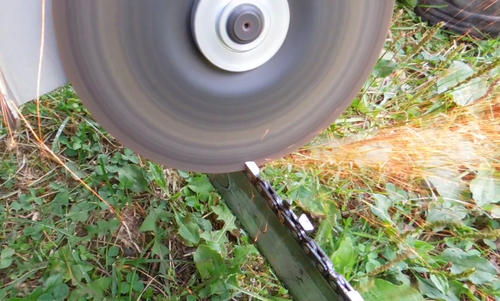
Image Source: woodgears.ca
Why Sharpen Your Chainsaw Chain?
A sharp chainsaw chain is not just about efficiency; it’s about safety. A dull chain forces the saw to work harder, leading to increased vibration. This vibration can cause user fatigue, making it harder to control the saw, which significantly raises the risk of kickback. Kickback occurs when the nose of the guide bar hits an object, causing the saw to violently jump back towards the operator.
Beyond safety, a sharp chain:
- Cuts faster and cleaner: This reduces strain on the engine and the user.
- Uses less fuel: A well-maintained chain operates more efficiently.
- Lasts longer: Proper sharpening prevents excessive wear and tear on the entire cutting system.
- Reduces sawdust: A clean cut produces finer sawdust compared to the ragged chips from a dull chain.
Types of Grinders for Chainsaw Sharpening
While the general principle remains the same, different types of grinders can be employed for chainsaw teeth grinder work. Each has its own advantages and learning curve.
1. Bench Grinder Chainsaw Setup
A bench grinder chainsaw setup is one of the most common DIY approaches. This involves mounting your chainsaw chain to a bench grinder.
Pros:
- Versatile: Can be used for other sharpening tasks.
- Relatively affordable: Many people already own a bench grinder.
- Powerful: Offers good material removal for quick sharpening.
Cons:
- Requires a specialized setup or jig: Simply holding the chain against a spinning wheel can be dangerous and inaccurate.
- High risk of overheating the chain if not done carefully.
- Can remove too much material if not controlled.
2. Angle Grinder with a Grinding Disc
An angle grinder can be adapted for grinder chainsaw blade work, usually with a specialized grinding disc or a Dremel-like attachment.
Pros:
- Portable and versatile.
- Can be used for touch-ups in the field.
Cons:
- Difficult to maintain consistent angles.
- High risk of overheating.
- Less control than a bench grinder setup.
3. Electric Chainsaw Sharpener (Dedicated)
These are purpose-built tools designed specifically for sharpening chainsaw chains. They often resemble a small grinder or a specialized filing jig.
Pros:
- Designed for consistency and ease of use.
- Often have built-in angle guides.
- Less risk of overheating compared to general-purpose grinders.
Cons:
- Can be more expensive than a basic bench grinder.
- May have limited adjustability for different chain types.
4. Chainsaw File Grinder
This refers to tools that mimic the action of a hand file but use a powered grinding stone. These are often mounted on a flexible shaft or are hand-held.
Pros:
- Offer good control and feel similar to filing.
- Easier to maintain consistent angles.
Cons:
- Slower than other grinder methods.
- May require more practice to master.
Essential Tools and Preparations
Before you begin how to grind chainsaw chain, gather these essential items:
- Your chainsaw chain: Of course!
- Grinder: Bench grinder, angle grinder with appropriate disc, or a dedicated electric sharpener.
- Grinding stones/discs: Specific sizes are crucial. The diameter of the grinding stone should match the pitch of your chain (e.g., 5/32-inch for .325 pitch chains, 3/16-inch for 3/8 pitch chains). Consult your chainsaw manual or chain manufacturer’s specifications.
- Angle guides/jigs: Essential for maintaining the correct sharpening angles. A grinder jig for chainsaws is highly recommended for consistent results.
- File gauge or depth gauge tool: To set the correct depth of the cutter.
- Chain breaker tool: If you need to remove the chain from the bar.
- Gloves: For protection from sparks and sharp metal.
- Eye protection: Safety glasses or a face shield are paramount.
- Marker: To mark teeth that have already been sharpened.
- Vice or clamp: To secure the chain or guide bar if you’re not using a dedicated jig.
- Brush or compressed air: To clean debris from the chain.
Table 1: Grinding Stone Size Guide (Common Chain Pitches)
| Chain Pitch | Recommended Grinding Stone Diameter (inches) | Common Grinding Stone Diameter (mm) |
|---|---|---|
| 1/4″ | 5/32″ | 4.0 mm |
| .325″ | 5/32″ | 4.0 mm |
| 3/8″ LP | 3/16″ | 4.8 mm |
| 3/8″ | 3/16″ | 4.8 mm |
| .404″ | 1/4″ | 6.4 mm |
Note: Always verify your chain’s pitch. It is usually stamped on the drive links or the guide bar.
The Grinding Process: Step-by-Step
The goal when sharpening chainsaw teeth grinder work is to restore the original factory angles and bevels of the cutting teeth. This involves sharpening both the top cutting edge and the side cutting edge of each tooth.
Step 1: Prepare the Chain
- Remove the chain: Detach the chain from your chainsaw using a chain breaker tool if necessary. This makes it easier to work on each tooth individually.
- Clean the chain: Brush off any dirt, sawdust, or old grease. This will help you see the cutting edges clearly.
- Inspect the chain: Look for any damaged or worn-out cutters. If several teeth are significantly damaged, it might be more cost-effective to replace the entire chain.
- Secure the chain: If you are using a bench grinder chainsaw setup, you will need to securely mount the chain or the guide bar. Many dedicated jigs or specialized attachments for grinders are available to hold the chain in place. For a general bench grinder, you might need to build a simple jig or use a sturdy vice to hold the bar steady.
Step 2: Set Up Your Grinder
- Install the correct grinding stone: Ensure the stone is the correct size for your chain pitch. It should be firmly secured to the grinder.
- Adjust angles (if applicable): If your grinder or jig has angle adjustments, set them according to the manufacturer’s recommendations for your chain. Common top plate angles are around 35 degrees, and side plate angles are typically 85-90 degrees. Consult your chain’s specifications.
- Safety first: Wear your safety glasses and gloves. Ensure the work area is clear of flammable materials.
Step 3: Sharpening the Cutting Teeth
This is the core of how to grind chainsaw chain. You’ll work on one side of the chain at a time, sharpening all teeth facing one direction, then switch to the other side.
- Select a starting tooth: Choose a tooth that appears most damaged or dull to start, or simply begin at one end of the chain. Mark this tooth with a marker so you know where you started.
- Position the grinding stone: Bring the spinning grinding stone to the cutting face of the tooth. The stone should contact the top cutting edge. Maintain the correct top plate angle.
- Apply light pressure and move the stone: Move the stone in a sweeping motion across the cutting edge. Use short, light passes. Avoid dwelling on any single spot, as this can easily overheat and damage the temper of the steel.
- Check the bevel: You are looking to create a sharp, consistent bevel that matches the original factory grind. You should see a thin sliver of metal being removed. Stop when you see a bright, sharp edge.
- Maintain consistency: Apply the same number of passes and pressure to each tooth on that side.
- Sharpen all teeth in one direction: Continue this process for all teeth on one side of the chain.
- Switch sides: Once all teeth on one side are sharpened, reposition the chain or your grinder to sharpen the teeth facing the opposite direction.
- Repeat the process: Sharpen each tooth on this side with the same technique, ensuring consistency in angle and pressure.
Step 4: Adjusting Depth Gauges (When Necessary)
The depth gauge (or raker) sits in front of the cutting tooth and controls how much material the cutter can take off with each pass. If they are too high, the chain won’t cut efficiently. If they are too low, the chain will cut too aggressively, increasing the risk of kickback and damaging the cutters.
- Locate the depth gauge: It’s the low ramp-like piece forward of the cutting tooth.
- Use a depth gauge tool: Place the specialized tool over the tooth and the depth gauge.
- Grind the depth gauge: If the depth gauge protrudes above the guide slot on the tool, use a flat file or a smaller grinding stone (specifically for depth gauges) to carefully lower it. The goal is to make it flush with the guide slot.
- Consistency is key: Ensure all depth gauges are lowered to the same level. This is a critical step for safe and effective cutting.
Step 5: Final Touches and Reassembly
- Inspect your work: Look over each tooth. They should be sharp, uniform in shape, and have a consistent bevel.
- Deburr: Lightly brush the chain to remove any burrs or loose metal filings.
- Reassemble: Reassemble the chain onto your chainsaw.
- Test the chain: Mount the chain onto your chainsaw and test it on a piece of wood. It should cut smoothly and efficiently without excessive vibration.
Tips for Successful Chainsaw Sharpening with a Grinder
- Cool the chain: Overheating the chain can draw out the temper, making it softer and dulling it faster. Dip the chain in water periodically, or use a coolant if your setup allows.
- Light passes: Multiple light passes are better than one aggressive pass. This preserves the steel and creates a sharper edge.
- Consistency is paramount: All teeth should be as identical as possible in shape, angle, and length. This ensures even cutting.
- Know your chain: Different chains have different specifications for angles and depth gauge settings. Refer to your chainsaw or chain manufacturer’s manual.
- Practice makes perfect: Especially when starting with a new DIY chainsaw grinder setup, practice on an old chain first.
- Consider a jig: A good grinder jig for chainsaws will significantly improve accuracy and consistency, making the process much easier. This is often the difference between a good grind and a bad one.
When Grinding Might Not Be the Best Option
While a grinder can be very effective, there are times when it’s not ideal:
- Beginners: Without proper jigs and practice, it’s easy to damage the chain. Hand filing might be a safer starting point.
- Extremely dull or damaged chains: If the chain is severely damaged, worn, or has missing teeth, it might be better to replace it than to attempt a repair with a grinder.
- Chains with specialized coatings: Some chains have special coatings that can be damaged by the heat of grinding.
If you’re unsure or lack the proper equipment, professional chainsaw sharpening services are readily available and can often provide excellent results.
Common Pitfalls to Avoid
- Overheating: The most common mistake. It ruins the chain’s hardness.
- Inconsistent angles: Leads to uneven cutting and increased vibration.
- Sharpening too much material: Shortens the life of the chain.
- Ignoring depth gauges: Results in poor cutting performance or dangerous kickback.
- Using the wrong size grinding stone: Will not properly shape the tooth.
FAQ: Chainsaw Sharpening with a Grinder
Q1: How often should I sharpen my chainsaw chain?
A: You should sharpen your chain when you notice a decrease in cutting performance, if the saw starts to smoke excessively, or if it’s pulling to one side. Some professionals sharpen after every fuel fill-up, while others sharpen after a specific number of cuts, depending on the wood and conditions.
Q2: What is the best grinder for sharpening a chainsaw chain?
A: While various grinders can be used, a dedicated electric chainsaw sharpener or a bench grinder with a specialized grinder jig for chainsaws is often recommended for consistency and ease of use. For a DIY chainsaw grinder project, a bench grinder with a securely mounted chain is a popular choice.
Q3: Can I use a regular grinding wheel on my bench grinder for a chainsaw chain?
A: It’s not recommended. Chainsaw chains require specific grinding stone sizes and shapes to match the tooth geometry. Using a generic grinding wheel will likely result in improper angles and damage to the chain. Always use stones specifically designed for chainsaw sharpening.
Q4: How do I know if I’m removing too much material?
A: You’re removing too much if you’re taking heavy passes or if the teeth are becoming significantly shorter than other teeth on the chain. The goal is to restore the original profile, not to reshape the tooth drastically. Look at an unsharpened tooth for comparison.
Q5: What are the standard angles for sharpening a chainsaw chain?
A: Standard angles vary slightly by chain manufacturer and design, but common angles are around 35 degrees for the top plate and 85-90 degrees for the side plate. Always consult your chain’s specifications.
Q6: Is a grinder faster than filing?
A: Generally, yes. Grinding can remove material more quickly than hand filing, making the sharpening process faster, especially for multiple chains or for those with experience.
Q7: What is a “chainsaw file grinder”?
A: A chainsaw file grinder is a powered tool that uses a small grinding stone to replicate the action of a hand file. These can be mounted on flexible shafts or be hand-held, offering a balance between the control of filing and the speed of grinding.
By following these steps and tips, you can effectively use a grinder to maintain sharp, efficient cutting teeth on your chainsaw, ensuring safer and more productive operation. Remember that practice and attention to detail are key to mastering this skill.