
Can you start a Stihl concrete saw without the choke? Yes, you can start a Stihl concrete saw without the choke if the engine is already warm. However, for a cold engine, using the choke is crucial for proper starting.
Starting a Stihl concrete saw, often referred to as a Stihl cut-off saw or Stihl power cutter, is a straightforward process once you know the steps. Whether you’re using a Stihl concrete cutter for demolition, roadwork, or general masonry tasks with a Stihl masonry saw, proper starting procedure ensures efficiency and safety. This guide will walk you through starting your Stihl concrete saw safely and easily, covering everything from fuel to the actual ignition sequence. We’ll also touch on essential Stihl saw maintenance and crucial Stihl concrete cutting safety practices.
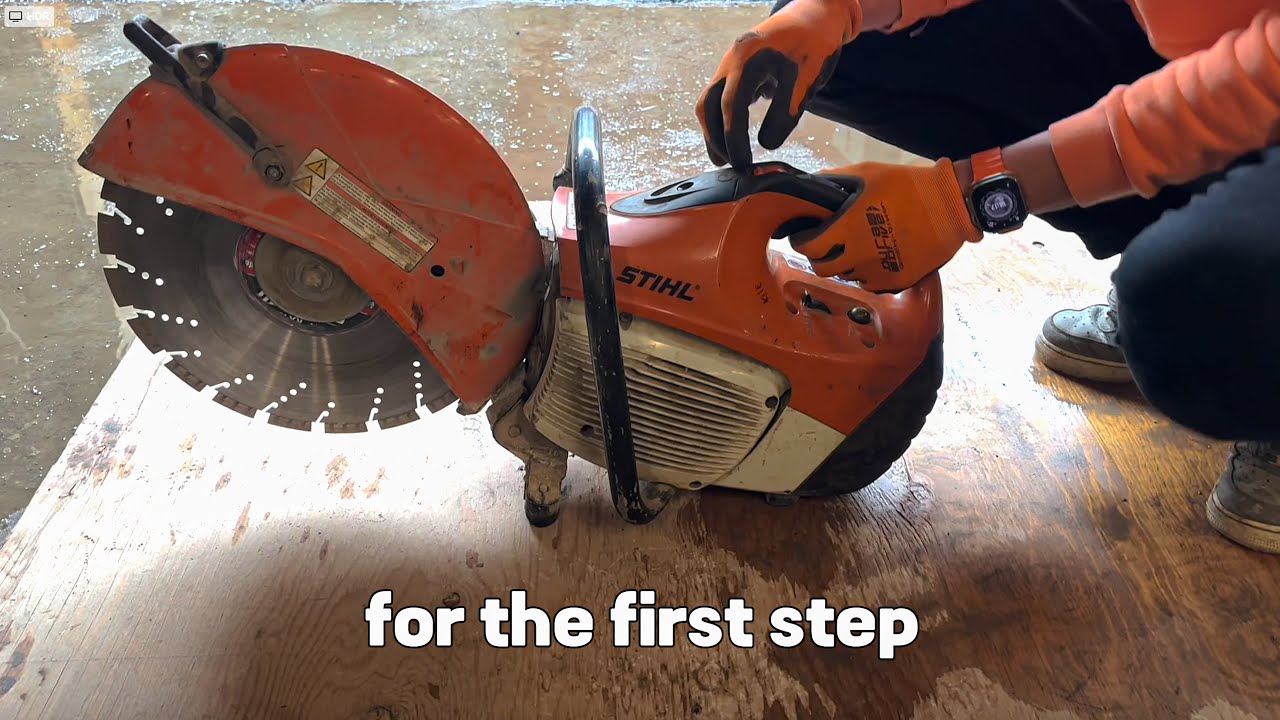
Image Source: i.ytimg.com
Preparing Your Stihl Concrete Saw for Starting
Before you even think about pulling the starter cord, proper preparation is key. This ensures your Stihl power cutter is ready for the job and minimizes risks.
Fueling Your Stihl Saw Correctly
The lifeblood of any gasoline-powered tool is its fuel. For Stihl 2-stroke engines, this means using the correct Stihl fuel mix.
The Importance of the Right Stihl Fuel Mix
Stihl engines are designed for a specific fuel-to-oil ratio. Using the wrong mix can lead to engine damage, poor performance, and reduced lifespan for your Stihl cut-off saw.
- Stihl 2-stroke oil: Always use genuine Stihl 2-stroke oil. This oil is formulated to provide optimal lubrication and protection for the engine’s internal components, especially under the high heat and stress of concrete cutting.
- Recommended Ratio: The most common Stihl fuel mix ratio is 50:1. This means 50 parts gasoline to 1 part Stihl 2-stroke oil. Always check your specific Stihl concrete cutter’s manual, as some models might have slightly different recommendations.
- Measuring: Use a Stihl measuring can or a clean, calibrated container to ensure accuracy. Incorrectly mixing can lead to either too much oil (fouling spark plugs, excessive smoke) or too little oil (engine seizure).
- Gasoline: Use fresh, unleaded gasoline with an octane rating of 89 or higher. Never use E85 or fuels containing more than 10% ethanol, as these can damage the fuel system components.
- Mixing Procedure:
- Pour the correct amount of Stihl 2-stroke oil into a clean, approved fuel container.
- Add the required amount of gasoline.
- Secure the cap tightly.
- Gently roll the container back and forth to thoroughly mix the fuel and oil. Avoid shaking vigorously, as this can introduce excessive air.
- Only mix enough fuel for immediate use. Stale fuel can cause starting problems.
Refueling Safely
- Always turn off the engine and allow it to cool before refueling.
- Refuel in a well-ventilated area, away from open flames or sparks.
- Use a funnel to prevent spills.
- Do not overfill the fuel tank. Leave a small amount of space for expansion.
- Wipe up any spilled fuel immediately.
Checking the Stihl Cutting Disc
The Stihl cutting disc is your primary tool for making cuts in concrete. Ensuring it’s in good condition and properly installed is vital for safety and performance.
Inspecting the Stihl Cutting Disc
- Wear: Look for signs of excessive wear, chipping, or cracking. A damaged disc can break apart during operation, posing a serious hazard.
- Correct Type: Ensure you are using a Stihl cutting disc designed for concrete. Different materials require different types of discs.
- Mounting: Verify that the disc is securely fastened to the saw’s flange and that the flange nuts are tightened correctly according to the Stihl saw maintenance manual. Never overtighten, as this can damage the disc or the arbor.
- Direction: Most cutting discs have a directional arrow indicating the correct rotation. Ensure the disc is installed to spin in the direction of the cut, typically away from the operator.
Pre-Start Safety Checks
Before you attempt to start your Stihl concrete cutter, perform these essential safety checks. These are part of basic Stihl concrete cutting safety.
- Air Filter: A clean air filter ensures proper airflow for combustion. Check it for debris and clean or replace it as needed, following Stihl saw maintenance guidelines.
- Spark Plug: Ensure the spark plug is clean, properly gapped, and securely attached. A fouled or loose spark plug can prevent starting.
- Cooling Fins: Clear any dust or debris from the engine’s cooling fins to prevent overheating.
- Guards: Confirm that all safety guards are in place and secure.
- Work Area: Ensure the area around the Stihl concrete saw is clear of obstructions, flammable materials, and people not involved in the operation.
How to Start a Cold Stihl Concrete Saw
Starting a cold Stihl concrete cutter involves using specific controls to enrich the fuel mixture for easier ignition.
Step-by-Step Starting Procedure
- Prime the Fuel System (if equipped): Many Stihl concrete saws have a primer bulb. Press this bulb several times until you see fuel circulating. This draws fuel from the tank into the carburetor.
- Set the Choke: Locate the choke lever on your Stihl power cutter. For a cold engine, move the choke lever to the “START” or “CLOSED” position. This restricts airflow, creating a richer fuel-air mixture, which is essential for starting a cold engine.
- Engage the Throttle Lock (if applicable): Some models have a throttle lock that, when engaged, partially opens the throttle. This can aid starting. Consult your Stihl saw manual.
- Turn on the Ignition: Locate the ignition switch or kill switch and ensure it is in the “ON” or “RUN” position.
- Pull the Starter Cord: Firmly grip the starter handle. Pull the cord out rapidly and smoothly with a single, strong pull until you feel resistance. Then, give it a sharp, quick pull to engage the starter mechanism.
- Listen: You should hear a “pop” or a brief ignition of the fuel. This indicates the engine is trying to start.
- Move the Choke to the Run Position: As soon as you hear the engine attempt to start (the “pop”), immediately move the choke lever to the “RUN” or “OPEN” position. This allows more air into the engine, preventing it from flooding.
- Pull the Starter Cord Again: Pull the starter cord again. The engine should now start and run.
- Allow the Engine to Warm Up: Let the Stihl concrete cutter idle for a minute or two to warm up before applying full throttle. This allows the engine components to reach their optimal operating temperature.
Troubleshooting a Cold Start
- Engine Doesn’t Fire: Check your Stihl fuel mix, ensure the ignition is on, and verify the choke is correctly set. The spark plug might be fouled.
- Engine Fires but Dies: This usually means the choke was not moved to the “RUN” position quickly enough after the initial “pop,” or the engine is flooded. Wait a few minutes, ensure the choke is open, and try again.
- Engine Cranks but Doesn’t Fire: Check for spark at the spark plug. Ensure the fuel tank is not empty and that the fuel lines are clear.
How to Start a Warm Stihl Concrete Saw
Starting a warm Stihl concrete cutter is generally easier as the engine components are already at operating temperature.
Starting a Warm Engine
- Ensure Ignition is ON: Make sure the ignition switch is in the “ON” or “RUN” position.
- Choke Position: For a warm engine, the choke should be in the “RUN” or “OPEN” position. Do not use the choke for a warm start unless the engine is difficult to start after being recently used.
- Throttle: The throttle should be in the idle position.
- Pull the Starter Cord: Grip the starter handle and pull the starter cord with a firm, quick motion. The engine should start relatively easily.
- Warm-up: Allow the engine to idle for a short period to ensure smooth operation before putting it under load.
When to Use the Choke on a Warm Engine
While generally not needed, if your Stihl power cutter has been sitting for a short period but is still warm, and it’s proving difficult to start with the choke open, you can try moving the choke to the “START” position briefly. As soon as it fires, move it back to “RUN.” This is a more advanced technique and usually indicates a minor issue if needed regularly on a warm engine.
Advanced Starting Techniques & Considerations
Sometimes, a Stihl concrete saw may be stubborn to start. Here are a few things to consider.
The Importance of the Stop Switch
Always ensure the stop switch (also known as the kill switch) is in the “RUN” or “ON” position. If it’s in the “STOP” or “OFF” position, the ignition will not spark, and the saw will not start, no matter how many times you pull the cord. This is a common oversight when operating a Stihl saw.
Dealing with a Flooded Engine
If you’ve pulled the starter cord too many times with the choke on, you might flood the engine. This means there’s too much fuel in the combustion chamber.
- Symptoms: The engine might smell strongly of gasoline and be difficult to turn over.
- To clear a flooded engine:
- Move the choke to the “RUN” or “OPEN” position.
- Ensure the stop switch is “ON.”
- Pull the starter cord several times with the throttle fully open. This allows maximum air into the engine to help burn off excess fuel.
- Once you think the excess fuel has cleared, try starting normally.
Spark Arrestor Screen
The spark arrestor screen in the muffler can become clogged with carbon deposits. A clogged screen can restrict exhaust flow and make starting difficult. This falls under regular Stihl saw maintenance.
- Inspection: Remove the muffler cover and check the spark arrestor screen.
- Cleaning: If it’s dirty, you can clean it with a wire brush. In severe cases, it might need to be replaced.
Stihl Saw Maintenance for Easy Starting
Regular maintenance is the best way to ensure your Stihl concrete cutter starts easily every time. Good Stihl saw maintenance prevents many common starting problems.
Air Filter Cleaning and Replacement
A dirty air filter restricts airflow to the engine, making it run rich and potentially causing starting issues.
- Frequency: Clean the air filter regularly, especially in dusty environments.
- Procedure: Remove the air filter cover, take out the filter, and clean it according to your Stihl saw manual’s instructions (usually brushing off loose debris or washing with warm soapy water and drying completely). Replace if damaged.
Spark Plug Maintenance
The spark plug is critical for ignition.
- Inspection: Periodically remove the spark plug and check its condition. Look for fouling (black, sooty deposits) or damage.
- Cleaning/Gapping: Clean any fouling with a wire brush and ensure the spark plug gap is set correctly using a feeler gauge. Refer to your Stihl manual for the correct gap.
- Replacement: Replace the spark plug if it is worn, damaged, or if cleaning doesn’t resolve starting issues.
Fuel Filter
The fuel filter prevents debris from entering the carburetor.
- Location: It’s typically located inside the fuel tank, attached to the fuel line.
- Replacement: Fuel filters should be replaced periodically as part of your Stihl saw maintenance. A clogged fuel filter will restrict fuel flow, leading to poor performance and starting problems.
Carburetor Adjustment
While carburetors are often pre-set at the factory, sometimes minor adjustments are needed, especially after extensive use or if performance issues arise.
- Caution: Carburetor adjustment should only be performed if you are comfortable doing so, or by a qualified service technician. Incorrect adjustments can damage the engine. Always refer to your Stihl concrete cutter manual for specific adjustment procedures.
Stihl Concrete Cutting Safety: Beyond Starting
Starting your Stihl power cutter is only the first step. Safe operation is paramount when working with these powerful machines.
Personal Protective Equipment (PPE)
Appropriate PPE is non-negotiable when operating any Stihl concrete cutter.
- Eye Protection: Safety glasses or a face shield to protect against flying debris.
- Hearing Protection: Earplugs or earmuffs, as concrete saws are very loud.
- Respiratory Protection: A dust mask or respirator to protect against concrete dust and silica particles, which can be harmful to your lungs.
- Gloves: Heavy-duty work gloves for grip and protection.
- Footwear: Steel-toed boots for foot protection.
- Clothing: Durable, long-sleeved shirts and long pants to protect your skin. Avoid loose clothing that can get caught in the saw.
Safe Operating Practices
- Two-Handed Grip: Always maintain a firm, two-handed grip on the Stihl saw.
- Stable Stance: Ensure you have a balanced and stable stance before starting any cut.
- Cutting Direction: Be aware of the direction of rotation of the Stihl cutting disc and how it will pull the saw. Cut with the disc rotating away from you.
- Avoid Overreaching: Keep your balance and avoid overreaching.
- Clearance: Ensure you have adequate clearance around you and the saw.
- Never Force the Saw: Let the Stihl concrete cutter do the work. Forcing it can lead to kickback or damage to the saw or the cutting disc.
- Cooling: For extended use, especially with a Stihl concrete cutter, water cooling is often used to suppress dust and cool the cutting disc and engine.
- Watch for Obstructions: Be mindful of rebar, wires, or other hidden obstructions within the material you are cutting.
- Kickback: Be aware of the potential for kickback, which can occur if the cutting disc binds in the cut. Maintain control and be prepared to react.
Stihl Saw Maintenance for Safety
Beyond easy starting, regular Stihl saw maintenance contributes directly to safety.
- Cutting Disc Check: Regularly inspect the Stihl cutting disc for wear, cracks, or damage. A compromised disc is extremely dangerous.
- Spark Arrestor: A clean spark arrestor prevents sparks from igniting flammable materials.
- Fuel System: Ensure there are no fuel leaks, as this is a fire hazard.
- Lubrication: Ensure any lubrication points are properly maintained according to the manual.
Frequently Asked Questions (FAQ)
Q1: How often should I check my Stihl fuel mix?
A1: Always check the fuel level before each use. If you are refilling, ensure you are using the correct Stihl fuel mix. It’s best practice to mix fuel only for immediate use to ensure freshness.
Q2: Can I use regular 2-stroke oil if I don’t have Stihl 2-stroke oil?
A2: While it’s strongly recommended to use genuine Stihl 2-stroke oil for optimal engine protection and performance, if you absolutely cannot obtain it, use a high-quality air-cooled 2-stroke engine oil that meets API TC, JASO FD, or ISO-L-EGD standards. However, using non-Stihl oil may affect warranty and performance. Always adhere to the 50:1 ratio.
Q3: What should I do if my Stihl concrete saw is smoking excessively?
A3: Excessive smoke often indicates too much Stihl 2-stroke oil in the Stihl fuel mix. Ensure you are using the correct 50:1 ratio and genuine Stihl 2-stroke oil. It could also indicate an issue with the carburetor or air filter.
Q4: How do I store my Stihl concrete cutter for the winter?
A4: Proper storage involves emptying the fuel tank or running the engine until it stops from lack of fuel (to prevent carburetor gumming). Clean the saw, especially the air filter and cooling fins. Store it in a dry, protected area.
Q5: When should I take my Stihl power cutter to a service center?
A5: If you encounter persistent starting problems after checking the basics, notice a significant loss of power, hear unusual noises, or if the saw is leaking fuel, it’s time to take it to an authorized Stihl service center for professional Stihl saw maintenance and repair.
Starting and operating a Stihl concrete saw is a task that requires attention to detail and adherence to safety protocols. By following these guidelines for preparation, starting, and ongoing Stihl saw maintenance, you can ensure your Stihl cut-off saw, Stihl concrete cutter, or Stihl masonry saw performs reliably and safely. Always prioritize your safety and consult your Stihl power cutter’s owner’s manual for specific instructions tailored to your model.