
Can you use a Ryobi circular saw without a cord? Yes, Ryobi offers a range of cordless circular saws that provide excellent portability and power for various DIY projects. This comprehensive guide will walk you through everything you need to know to use your Ryobi circular saw safely and effectively. From understanding its parts to performing basic maintenance, we’ve got you covered.
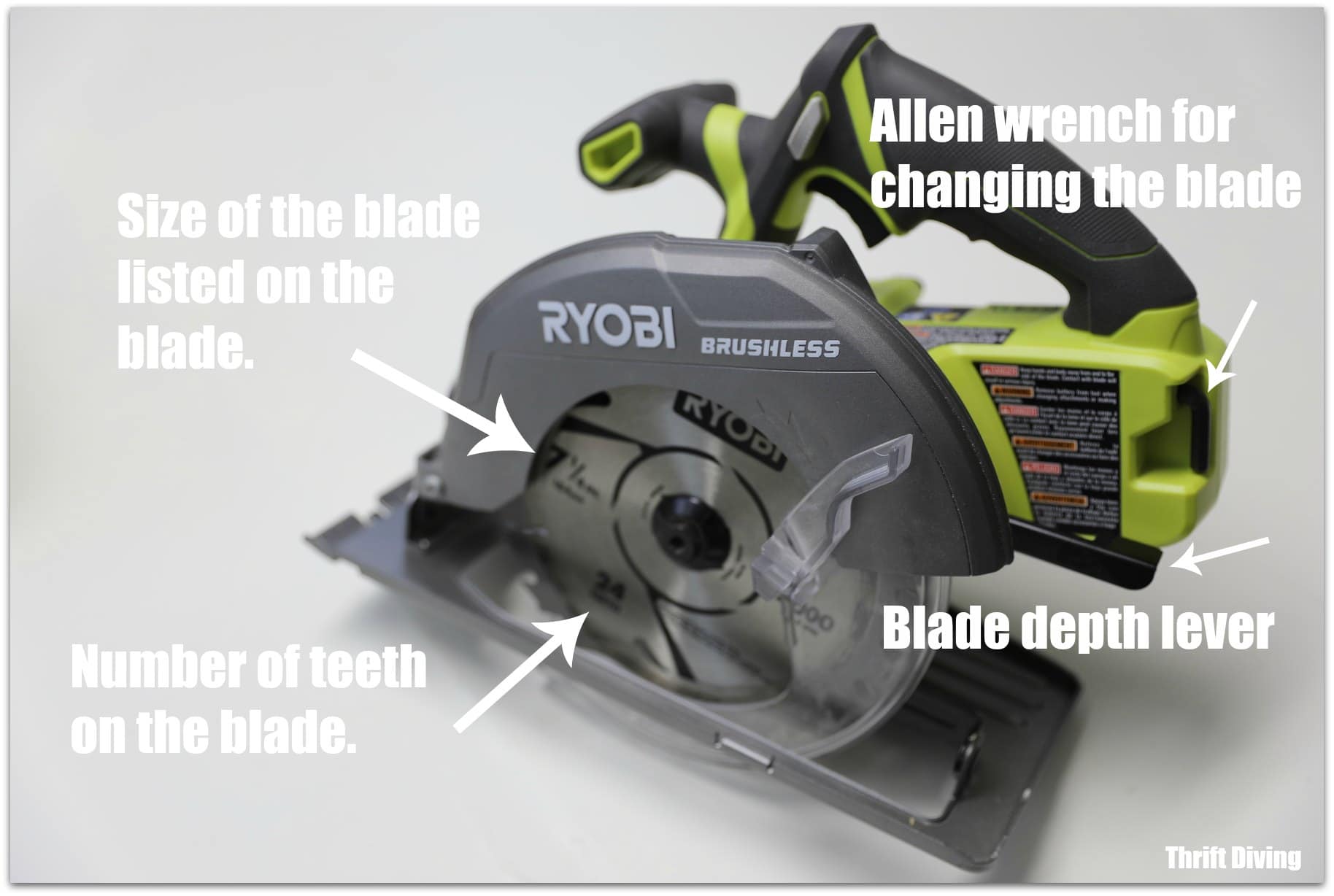
Image Source: thriftdiving.com
Getting Started with Your Ryobi Circular Saw
Your Ryobi circular saw is a powerful tool. Learning how to use it correctly is crucial for both the quality of your work and your personal safety. This guide aims to be your go-to Ryobi circular saw guide.
Anatomy of Your Ryobi Circular Saw
Before you begin, it’s helpful to know the different parts of your saw.
- Blade Guard: This protective cover retracts as you push the saw through the material and springs back to cover the blade when you lift it.
- Base Plate (Shoe): This flat surface rests on the material you are cutting, providing stability and guiding the saw.
- Depth Adjustment Lever: This allows you to set how deep the blade cuts into the material.
- Bevel Adjustment Lever: This lets you tilt the blade to make angled cuts.
- Handle: For gripping and controlling the saw.
- Trigger Switch: Powers the saw on and off.
- Spindle Lock Button: Used to hold the spindle in place when changing the blade.
- Dust Port: Where sawdust is collected or expelled.
- Cord/Battery: Depending on your model, this is the power source.
Ryobi Circular Saw Power Source Options
Ryobi offers circular saws with different power sources to suit your needs.
- Corded Electric: These saws plug into a standard outlet. They offer consistent power and don’t require batteries.
- Cordless (Battery-Powered): These use Ryobi’s ONE+ or RYOBI 40V battery system. They offer maximum portability and freedom of movement, ideal for jobs away from power outlets. When choosing a Ryobi cordless circular saw, consider the battery voltage and amp-hour (Ah) rating for longer runtimes.
Ryobi Circular Saw Setup: First Steps
Setting up your Ryobi circular saw correctly is essential for safety and performance.
- Read the Manual: Always start by reading the specific instructions for your Ryobi circular saw model.
- Install the Blade:
- Unplug the saw or remove the battery.
- Press the spindle lock button to hold the spindle.
- Use the wrench (often included or stored on the saw) to loosen and remove the blade bolt.
- Remove the old blade (if applicable) and place the new Ryobi circular saw blade onto the spindle. Ensure the teeth are facing the correct direction (usually indicated by an arrow on the saw or blade).
- Replace the washer and blade bolt. Tighten the bolt securely with the wrench.
- Release the spindle lock.
- Adjust the Depth of Cut:
- Loosen the depth adjustment lever.
- Place the base plate on the edge of your material.
- Lower the saw until the blade just touches the material’s surface.
- Raise the blade so that only about one tooth’s depth extends below the material. This helps prevent kickback and makes for cleaner cuts.
- Tighten the depth adjustment lever.
- Adjust the Bevel (If Needed):
- Loosen the bevel adjustment lever.
- Tilt the base plate to the desired angle using the markings on the saw.
- Tighten the bevel adjustment lever securely.
Safe Operation of Your Ryobi Circular Saw
Safety is paramount when using any power tool. Following these Ryobi saw safety tips will help you avoid accidents.
Essential Ryobi Saw Safety Tips
- Wear Safety Gear: Always wear safety glasses or goggles. Hearing protection is also recommended, especially for extended use. Wear sturdy footwear and avoid loose clothing or jewelry that could get caught.
- Secure Your Workpiece: Use clamps or a workbench vise to hold the material firmly in place. Never try to hold the material with your hand while cutting.
- Keep the Area Clear: Ensure your cutting area is free of clutter, debris, and flammable materials. Good lighting is also important.
- Use Both Hands: Maintain a firm grip on the saw’s handles with both hands during operation.
- Let the Saw Reach Full Speed: Before starting a cut, let the blade spin up to its maximum speed.
- Smooth, Steady Pressure: Apply gentle, consistent pressure as you push the saw through the material. Don’t force it.
- Watch for Kickback: Kickback is when the blade gets pinched in the cut, causing the saw to jump back towards the operator. Avoid it by:
- Ensuring the blade is sharp and the correct type for the material.
- Not twisting the saw while cutting.
- Making sure the blade guard is functioning correctly.
- Not cutting warped or twisted lumber.
- Not cutting over nails or screws.
- Starting cuts on the edge of the material.
- Never Reach Under the Saw: Keep your hands away from the blade and the blade guard at all times.
- Unplug or Remove Battery: Always disconnect the power source before changing blades, making adjustments, or performing maintenance.
- Proper Stance: Stand balanced with your feet shoulder-width apart. Position yourself to the side of the blade path, not directly behind it.
Performing Different Cuts
Your Ryobi circular saw can make various types of cuts.
Rip Cuts
A rip cut is made parallel to the grain of the wood.
- Measure and Mark: Use a tape measure and pencil to mark your cut line.
- Use a Straight Edge or Rip Fence: For precise rip cuts, attach the rip fence (usually included with your saw) to the base plate. Adjust it so the blade will cut along your marked line. Ensure the fence is securely locked. Alternatively, clamp a straight edge (like a level or a scrap piece of wood) parallel to your cut line, and guide the saw’s base plate along it.
- Position the Saw: Align the blade with your mark or the straight edge.
- Cut: Begin the cut as described in the safe operation tips.
Crosscuts
A crosscut is made across the grain of the wood.
- Measure and Mark: Mark your cut line clearly.
- Position the Saw: Align the blade with your mark. Ensure the base plate is fully on the material.
- Cut: Proceed with the cut, maintaining steady pressure.
Bevel Cuts
Bevel cuts are angled cuts made by tilting the blade.
- Adjust Bevel: Loosen the bevel adjustment lever and set the desired angle. Tighten the lever securely.
- Mark and Position: Mark your cut line and position the saw so the tilted blade aligns with it.
- Cut: Make the cut, keeping the base plate flat against the material.
Ryobi Circular Saw Blades: Choosing the Right One
The type of Ryobi circular saw blades you use significantly impacts cut quality and safety.
Types of Blades
- Rip Blades: Have fewer teeth (e.g., 20-30 teeth). They are designed for fast, efficient cuts along the grain.
- Crosscut Blades: Have more teeth (e.g., 40-60 teeth) for cleaner cuts across the grain.
- Combination Blades: Offer a balance between rip and crosscut performance, with around 40-50 teeth. These are good all-around blades.
- Specialty Blades: For specific materials like metal, plastic, or masonry. Always ensure the blade is rated for the material you are cutting and has the correct arbor size for your Ryobi circular saw.
Blade Considerations
- Tooth Count: More teeth generally mean a smoother cut but slower cutting speed. Fewer teeth cut faster but leave a rougher edge.
- Blade Material: Carbide-tipped blades are more durable and stay sharp longer than plain steel blades.
- Kerf: The width of the cut the blade makes. Thin-kerf blades require less power and produce less waste.
- Arbor Size: The hole in the center of the blade must match the arbor on your saw.
Ryobi Saw Maintenance: Keeping Your Tool in Top Shape
Proper Ryobi saw maintenance ensures longevity and safe operation.
Routine Checks
- Blade Condition: Regularly inspect your Ryobi circular saw blades for dullness, damage, or missing teeth. Replace them as needed.
- Guard Operation: Ensure the blade guard retracts smoothly and springs back into place quickly after you lift the saw. If it’s sticking, investigate the cause (e.g., debris, damage).
- Cord/Battery: For corded saws, check the power cord for any nicks or fraying. For cordless models, ensure batteries are charged and connections are clean.
- Air Vents: Keep the saw’s air vents clear of dust and debris to prevent overheating. Use compressed air or a brush.
Cleaning Your Saw
After each use, it’s a good idea to clean your Ryobi circular saw.
- Unplug or Remove Battery: Always disconnect the power.
- Blade Area: Clean sawdust and debris from around the blade and guard.
- Base Plate: Wipe down the base plate to remove any sticky residue or buildup.
- Body: Wipe the exterior of the saw with a damp cloth. Avoid getting water into any openings.
Blade Storage
Store Ryobi circular saw blades properly to prevent damage and injury. Keep them in their original packaging or a blade case.
Comparing Ryobi Saws: Circular vs. Miter vs. Jig
It’s helpful to know how your Ryobi circular saw fits into the broader Ryobi tool lineup.
Ryobi Miter Saw Comparison
A Ryobi miter saw is designed specifically for making accurate crosscuts and angled (miter) cuts. It typically has a blade that moves down through the material, often with a turntable to set the angle.
| Feature | Ryobi Circular Saw | Ryobi Miter Saw |
|---|---|---|
| Primary Use | Straight cuts (rip & cross) | Crosscuts and angled cuts |
| Portability | High (especially cordless) | Moderate (larger, often benchtop) |
| Accuracy | Good for straight lines, less for angles | Excellent for precise angles |
| Material Range | Wood, some plastics, some metals | Primarily wood, some plastics |
| Depth of Cut | Adjustable | Typically limited by blade size |
| Complexity | Relatively simple operation | Requires setting angles and stops |
Ryobi Jig Saw vs. Circular Saw
A Ryobi jig saw uses a reciprocating blade and is best for intricate, curved cuts and plunge cuts.
| Feature | Ryobi Circular Saw | Ryobi Jig Saw |
|---|---|---|
| Primary Use | Straight cuts, rip cuts, crosscuts | Curved cuts, shapes, plunge cuts |
| Blade Type | Circular blade | Reciprocating blade |
| Cut Quality | Clean straight edges | Can be less precise on straight lines |
| Versatility | Good for general lumber cutting | Excellent for detailed work and curves |
| Dust Control | Can generate significant dust; dust port | Can also generate dust; dust port |
Advanced Usage and Troubleshooting
Once you’re comfortable with the basics, you might explore more advanced techniques or troubleshoot common issues.
Achieving Perfect Straight Cuts
For the best straight cuts with your Ryobi circular saw:
- Sharp Blade: Ensure your Ryobi circular saw blade is sharp and appropriate for the material.
- Proper Depth: Set the cut depth correctly.
- Guide: Use a rip fence or a clamped straight edge for guidance.
- Smooth Feed: Maintain a consistent speed and pressure. Avoid jerky movements.
- Support: Ensure the workpiece is well-supported on both sides of the cut line, especially for longer cuts.
Dealing with Tear-Out
Tear-out is when wood fibers splinter along the cut line.
- Blade Choice: Use a higher tooth count blade (combination or crosscut) for cleaner cuts.
- Cut Direction: On plywood, cut from the good side down to the waste side.
- Painter’s Tape: Apply masking tape or painter’s tape along the cut line before cutting. This can help hold the fibers together.
- Support: Ensure the offcut piece is supported and doesn’t fall away prematurely, which can cause tear-out as the blade exits.
Troubleshooting Common Issues
- Saw Won’t Start:
- Check the power source: is the cord plugged in securely? Is the battery charged and properly seated?
- Ensure the trigger switch is not damaged.
- Blade Wobbles:
- The blade might be loose; retighten the blade bolt.
- The blade itself could be damaged or warped. Inspect and replace if necessary.
- Saw Overheats:
- The vents might be blocked with dust. Clean them.
- You might be pushing the saw too hard or too fast. Ease up.
- The motor might be nearing the end of its life if this happens frequently.
Frequently Asked Questions (FAQ)
What is the best Ryobi circular saw for a beginner?
For beginners, a corded Ryobi electric saw or a Ryobi cordless circular saw from the ONE+ line is often recommended. They are user-friendly, widely available, and offer good performance for general DIY tasks. Models with a laser guide can also be helpful for beginners to track their cuts.
Can I cut metal with a Ryobi circular saw?
While some Ryobi circular saws can cut metal, it’s crucial to use the correct Ryobi circular saw blades designed for metal and to take extra safety precautions. Metal cutting generates sparks and requires different handling than wood. Always consult your saw’s manual and use appropriate metal-cutting blades and safety gear.
How do I adjust the bevel on my Ryobi circular saw?
Locate the bevel adjustment lever (usually at the front of the base plate). Loosen the lever, tilt the base plate to your desired angle using the built-in degree markings, and then tighten the lever firmly. Ensure the blade is not in contact with any material when making adjustments.
What maintenance is required for a Ryobi circular saw?
Regular maintenance includes keeping the saw clean, especially the blade guard and air vents. Regularly check the sharpness and condition of your Ryobi circular saw blades and replace them when they become dull or damaged. Ensure the power cord (if applicable) is in good condition and batteries are charged and clean for cordless models.
How often should I change the blade on my Ryobi circular saw?
The frequency of blade changes depends on usage and the material being cut. A dull blade will make cutting harder, produce rougher cuts, and increase the risk of kickback. If you notice any of these issues, it’s time for a new blade. For general woodworking, a sharp combination blade might last for many projects, but if you’re cutting rough lumber or abrasive materials, you might need to change it more often.
Using your Ryobi circular saw safely and effectively is a skill that improves with practice and attention to detail. By following this comprehensive guide, you’ll be well-equipped to tackle your DIY projects with confidence. Always prioritize safety, read your manual, and keep your tool in good condition. Happy cutting!