
What is a scroll saw and can I use it for intricate cuts? Yes, a scroll saw is a powerful and versatile power tool designed for making intricate, curved cuts in various materials, making it ideal for detailed woodworking projects. This guide will walk you through scroll saw basics, helping you master this fascinating tool safely and effectively.
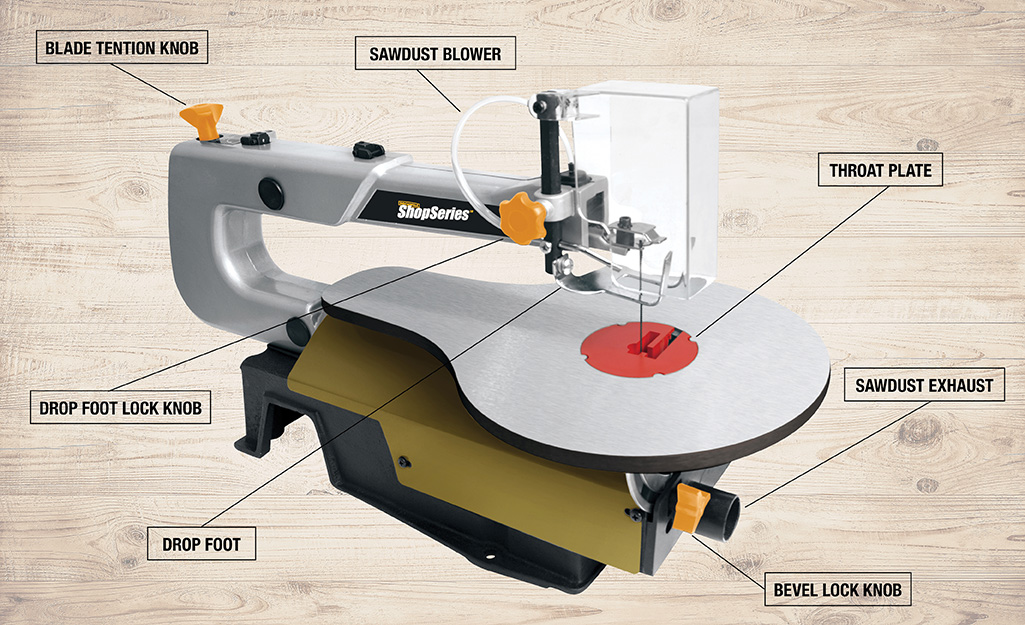
Image Source: contentgrid.homedepot-static.com
Getting Started: Your Scroll Saw Setup
Before you can unleash your creativity, proper scroll saw setup is crucial for both safety and the quality of your work. This involves ensuring your saw is stable, your workspace is organized, and you’re familiar with the machine’s components.
Essential Components of Your Scroll Saw
Let’s break down the key parts of a scroll saw:
- Table: This is where you rest your workpiece. Most tables tilt to allow for angled cuts (bevels).
- Blade Holder/Chuck: This is where the scroll saw blade is attached. It’s essential for securing the blade correctly.
- Blade Tension Lever: This lever adjusts the tightness of the scroll saw blade. Proper tension is vital for clean cuts and preventing blade breakage.
- Speed Control: Most scroll saws have variable speed controls, allowing you to adjust the cutting speed based on the material and the complexity of the cut.
- Dust Blower/Port: This feature helps keep your cutting line clear of sawdust for better visibility. Many saws have a dust port for connecting a shop vacuum.
- Guard: This protects your fingers from the moving blade. Always ensure it’s positioned correctly.
- On/Off Switch: Simple, but important to know where it is for quick stops.
Preparing Your Workspace
A safe and efficient workspace is the foundation of good scroll saw work.
- Lighting: Good lighting is essential to see your cutting lines clearly. Natural light is best, but a good overhead lamp or task light is a must.
- Ventilation: Sawdust can be harmful. Ensure your workspace is well-ventilated or use dust collection.
- Organization: Keep your tools, scroll saw patterns, and materials organized. Clutter can lead to accidents.
- Stability: Make sure your scroll saw is securely mounted to a workbench or its stand. Vibration can cause the saw to move, which is a safety hazard.
Installing a Scroll Saw Blade
Choosing and installing the correct scroll saw blade is one of the most important steps.
Selecting the Right Scroll Saw Blade
The type of wood you’re cutting, the desired cut quality, and the complexity of the pattern will dictate the best blade.
| Blade Type | Description | Best For |
|---|---|---|
| Plain-End Blades | These blades have no pins and are secured by set screws in the blade holders. | Older scroll saws or those with specific mounting mechanisms. |
| Pin-End Blades | Feature small pins on each end that fit into specialized holders. | Common on many modern scroll saws. Easy to install and remove. |
| Reverse Tooth Blades | Have a few teeth pointing upwards, which helps reduce tear-out on the top surface. | Cutting delicate veneers, hardwoods, and when a smooth top finish is critical. |
| Skip Tooth Blades | Have gaps between teeth, allowing for faster cutting and better chip clearance. | Thicker woods, softwoods, and general-purpose cutting where speed is a priority. |
| Double Tooth Blades | Feature teeth that are closer together, providing a smoother finish. | Fine detail work, thin materials, and when a very smooth cut is desired. |
| Spiral Blades | Cut in all directions, allowing for intricate cuts without turning the workpiece. | Very complex, tight curves and intricate designs where turning the material is difficult. |
Attaching the Blade: Step-by-Step
- Turn Off the Saw: Always ensure the scroll saw is unplugged or the power is off before changing a blade.
- Adjust Blade Tension: Loosen the blade tension lever.
- Insert Blade: For pin-end blades, insert the pins into the upper and lower chucks. For plain-end blades, slide the blade into the appropriate clamp and tighten the set screw. Ensure the teeth are facing down.
- Tension the Blade: Slowly tighten the blade tension lever. You’re looking for a “ping” sound when you pluck the blade, similar to a guitar string. Too loose and the blade will wander; too tight and it will break.
- Check Alignment: Ensure the blade is running true and is perpendicular to the table.
Mastering Scroll Saw Techniques
With your saw set up and a blade installed, it’s time to learn scroll saw techniques that will elevate your projects.
Cutting Straight Lines
While scroll saws are best for curves, you can cut straight lines by:
- Using a Fence: Many scroll saws come with an optional fence that can be attached to the table to guide your workpiece.
- Edge Support: For shorter straight cuts, you can rest the edge of your workpiece against the saw’s table edge or a guide block secured to the table.
Making Curves and Circles
This is where the scroll saw truly shines.
- Gentle Curves: For smooth, wide curves, slowly rotate the workpiece around the blade as you feed it.
- Tight Curves and Corners: For sharper turns, you may need to stop the blade, rotate the workpiece to the desired angle, and then restart the cut. Some advanced users can “bump” the blade to change direction slightly without stopping.
Internal Cuts
To make a cut within a piece of material without an entry point from the edge (like cutting out an eye in a silhouette):
- Drill a Hole: Drill a small hole through the waste material, just large enough for your scroll saw blade to pass through.
- Detach the Blade: Loosen the upper blade holder and detach one end of the scroll saw blade.
- Thread the Blade: Thread the loose end of the blade through the drilled hole.
- Reattach the Blade: Reattach the blade to the upper holder and tension it properly.
- Make the Cut: Start the saw and make your internal cut.
- Reverse the Process: Once the cut is complete, detach the blade, pull it back through the hole, and reattach it to the lower holder.
Turning Corners with Tight Radii
When you need to make a sharp 90-degree turn:
- Backing Up: For very tight corners, you can cut up to the corner, stop the saw, lift the workpiece slightly, and carefully back it up a small amount. Then, pivot the workpiece and continue the cut. This technique requires practice.
- Blade Placement: Ensure the blade is centered on your intended line.
Scroll Saw Safety: Your Top Priority
Scroll saw safety is paramount. This tool, while rewarding, has a fast-moving blade. Always follow these guidelines:
Personal Protective Equipment (PPE)
- Safety Glasses: Non-negotiable. Wear them at all times when operating the saw.
- Hearing Protection: Scroll saws can be noisy, especially during extended use.
- Dust Mask/Respirator: Protect your lungs from fine sawdust particles.
- No Loose Clothing or Jewelry: Anything that can get caught in the blade must be removed. Tie back long hair.
Safe Operating Practices
- Read Your Manual: Familiarize yourself with your specific scroll saw’s operation and safety features.
- Never Reach Over the Blade: Always keep your hands away from the path of the blade.
- Maintain Proper Blade Tension: This prevents blade breakage and wandering.
- Use the Correct Blade for the Material: The wrong blade can lead to poor cuts and increased risk.
- Keep Blades Sharp: Dull blades require more pressure, increasing the risk of slips.
- Don’t Force the Material: Let the blade do the work. Forcing can break the blade or cause it to deflect.
- Keep Fingers Away from the Guard’s Lower Edge: The guard should be adjusted so it’s close to the material, but not so close that it pinches your fingers.
- Clear Sawdust Regularly: Accumulations can be a fire hazard and obscure your view. Use the dust blower or a brush, not your hands.
- Unplug When Changing Blades or Adjusting: Always disconnect power before performing any maintenance or adjustments.
- Focus on Your Work: Avoid distractions while operating the scroll saw.
Choosing and Using Scroll Saw Blades Effectively
The scroll saw blade is your cutting tool. Selecting the right one and using it correctly makes a world of difference.
Blade Selection Revisited
As mentioned in the setup section, the type of wood (hardwood, softwood, plywood, MDF) and the intricacy of your scroll saw patterns will guide your blade choice.
- Thicker Materials: Generally require blades with fewer teeth per inch (TPI) for better chip clearance.
- Thinner Materials and Fine Detail: Benefit from blades with more TPI for a smoother finish and better control.
- Woods with Knots: Might require a skip-tooth blade to prevent the blade from getting stuck.
Blade Life and Maintenance
- Sharpness: Blades do dull. You’ll notice increased effort required, splintering, and rougher cuts when a blade is dull.
- Storage: Store blades carefully to prevent damage or rust.
- Cleaning: Remove resin buildup with a soft brush or a specialized cleaner if needed.
Working with Scroll Saw Patterns
Scroll saw patterns are the blueprints for your creations. Whether you purchase them or create your own, a few tips will help:
Pattern Transfer Methods
- Carbon Paper: Place carbon paper between your pattern and the wood, then trace the pattern.
- Spray Adhesive: Lightly spray the back of your paper pattern with temporary spray adhesive and stick it directly to the wood.
- Xeroxing/Printing Directly: Some people print their patterns directly onto special paper that can be safely cut through or dissolved.
- Freehand: For experienced users, freehand cutting is also an option.
Cutting Accurately to the Line
- Blade Position: For clean cuts, aim to keep the scroll saw blade on the waste side of your line. This means the blade cuts through the material you intend to remove.
- Feed Rate: Don’t rush. A steady, consistent feed rate is key to following the line accurately.
- Practice: Practicing on scrap wood with simple patterns is the best way to improve your accuracy.
Scroll Saw Projects for Beginners
Starting with some manageable scroll saw projects will build your confidence and skills.
Simple Silhouette Projects
These are excellent for learning basic curves and tight turns. Think simple animal shapes, holiday ornaments, or geometric designs.
Puzzle Making
Wooden puzzles are a classic scroll saw project. They teach you how to make interlocking cuts and ensure a snug fit.
Intricate Intarsia or Marquetry
While more advanced, these techniques involve cutting different colored woods to create a picture or design. They require precision and patience.
Wooden Toys
From simple cars to more complex dollhouses, wooden toys are popular and satisfying projects.
Scroll Saw Troubleshooting: Common Issues and Solutions
Even experienced woodworkers encounter issues. Here’s how to address common scroll saw troubleshooting problems:
| Problem | Possible Cause | Solution |
|---|---|---|
| Blade Breaking Frequently | Blade tension too high; wrong blade for material; forcing material; dull blade; blade misalignment. | Adjust tension to “ping”; use appropriate blade; let the saw do the work; replace dull blades; check blade alignment with the table. |
| Rough Cuts/Splintering | Dull blade; wrong blade (too coarse); cutting too fast; blade tension too loose; cutting against the grain. | Replace blade; use a finer TPI blade; slow down feed rate; increase blade tension slightly; orient workpiece to cut with the grain. |
| Blade Wandering | Blade tension too low; blade not sharp; incorrect blade type; worn blade holder. | Increase blade tension; replace blade; check blade type suitability; inspect blade holders for wear. |
| Saw Dust Obscuring Cut | Insufficient dust blower; dust port clogged; inefficient dust collection. | Ensure dust blower is working and adjusted; clear dust port; connect shop vacuum. |
| Vibration | Saw not secured; worn motor bearings; unbalanced blade. | Ensure saw is firmly mounted; check motor bearings; ensure blade is properly seated. |
| Difficulty Cutting Curves | Blade is too coarse for the turn; not rotating workpiece smoothly. | Switch to a finer TPI blade for tighter curves; practice smooth, controlled workpiece rotation. |
Scroll Saw Speed: Finding the Sweet Spot
Scroll saw speed control is a critical factor in achieving good results and ensuring safety.
How Speed Affects Your Cuts
- High Speed: Generally suitable for softer woods and straight cuts where heat buildup is not a major concern. It can lead to faster cutting but increases the risk of splintering or blade breakage if not managed correctly.
- Low Speed: Ideal for hardwoods, thin materials, intricate detailed work, and when you need maximum control. Lower speeds reduce heat buildup, minimize tear-out, and make it easier to follow precise lines.
Adjusting Speed for Different Materials
- Softwoods (Pine, Cedar): Start with a medium to high speed.
- Hardwoods (Oak, Maple, Cherry): Use a medium to low speed.
- Plywood: Medium speed is usually a good starting point.
- Plastics and Metals: Require very low speeds to prevent melting or excessive heat. Always check manufacturer recommendations for these materials.
Rule of Thumb: If you see smoke, you’re going too fast or your blade is dull. If the blade is chattering or the wood is vibrating excessively, you might be going too fast, or the blade tension is too low.
Scroll Saw Maintenance: Keeping Your Tool in Top Shape
Regular scroll saw maintenance ensures longevity, accuracy, and safety.
Cleaning
- Dust Removal: Regularly clean sawdust from the table, blade guards, and internal mechanisms. A brush, compressed air, or a vacuum cleaner is useful.
- Blade Area: Keep the area around the blade holder clean for optimal blade seating.
Lubrication
- Some scroll saws may have specific lubrication points for moving parts. Consult your owner’s manual for recommendations. Generally, most modern scroll saws require minimal lubrication.
Blade Holder Inspection
- Periodically check the blade holders (chucks) for wear or damage. Stripped set screws or worn chucks can prevent proper blade tensioning.
Belt and Motor Checks
- If your saw has a belt drive, check for wear and proper tension according to the manufacturer’s instructions.
- Ensure the motor vents are clear of dust to prevent overheating.
Advanced Scroll Saw Techniques (Briefly)
Once you’re comfortable with the basics, you might explore:
- Undercutting: Cutting from the underside of the workpiece to create a slight bevel on the top edge, which can improve the fit of interlocking pieces.
- Stack Cutting: Cutting through multiple layers of material at once for efficiency, though this requires significant practice to maintain accuracy across all layers.
- Creating 3D Effects: Layering different pieces of wood cut to shape to build up a three-dimensional image.
Conclusion
Using a scroll saw can be an incredibly rewarding experience, opening up a world of detailed crafting and woodworking possibilities. By prioritizing scroll saw safety, mastering basic scroll saw techniques, selecting the right scroll saw blades, and understanding your scroll saw setup and scroll saw speed, you’ll be well on your way to creating beautiful scroll saw projects. Remember, practice and patience are your best allies. Enjoy the journey of turning your creative visions into reality with this versatile tool!
Frequently Asked Questions (FAQ)
Q1: What is the best type of scroll saw blade for beginners?
A1: For beginners, a good all-around choice is a skip-tooth blade with a medium tooth count (around 10-15 TPI). This type of blade is forgiving, cuts efficiently through most woods, and helps clear sawdust, reducing the chance of binding. As you progress, you’ll experiment with different blades for specific tasks.
Q2: Can I cut metal or plastic with a scroll saw?
A2: Yes, but you must use specialized blades designed for metal or plastic, and you’ll need to run the saw at a very low scroll saw speed. Metal cutting blades are typically much finer and designed to cut without excessive heat. Always check your scroll saw’s manual for its capabilities and recommended procedures for cutting materials other than wood.
Q3: How do I keep my scroll saw blade from breaking?
A3: Frequent blade breakage is usually due to one of these factors:
* Blade Tension: Too much or too little tension. Aim for the “ping” sound.
* Blade Type: Using a blade that’s too thin or too coarse for the material or cut.
* Forcing: Pushing the material too hard into the blade. Let the blade do the cutting.
* Blade Quality: Cheap or old blades are more prone to breakage.
* Blade Alignment: The blade might be binding or twisting if not perfectly aligned.
Q4: What is the purpose of the dust blower on a scroll saw?
A4: The dust blower or port is crucial for scroll saw safety and accuracy. It blows or vacuums away sawdust from the cutting line, allowing you to see precisely where you are cutting. This visibility is essential for following scroll saw patterns accurately and preventing mistakes.
Q5: My scroll saw is vibrating a lot. What could be wrong?
A5: Excessive vibration can be caused by several things:
* Saw Stability: The scroll saw might not be securely mounted to its stand or workbench.
* Blade Tension: Improper blade tension can cause chatter.
* Blade Condition: A dull or damaged blade can lead to uneven cutting and vibration.
* Internal Wear: In older saws, motor bearings or other internal components might be worn. Ensure your scroll saw maintenance schedule is up-to-date.
Q6: How do I make internal cuts with a scroll saw?
A6: To make an internal cut (a cut that doesn’t start from the edge of the workpiece), you need to detach one end of the scroll saw blade, thread it through a pre-drilled hole in the waste material, and then reattach it. This is a fundamental scroll saw technique for creating details like eyes in a silhouette or openings in a puzzle.
Q7: Where can I find good scroll saw patterns?
A7: You can find a vast array of scroll saw patterns online from dedicated woodworking websites, craft marketplaces (like Etsy), and woodworking magazines. Many hobbyists also sell or share their original designs. Some beginner-friendly scroll saw projects come with patterns included.