
Can you use a sledgehammer for demolition? Yes, a sledgehammer is an excellent tool for demolition and breaking apart hard materials. This guide will walk you through everything you need to know about using this powerful tool safely and effectively, covering everything from choosing the right sledgehammer to proper handling and maintenance.
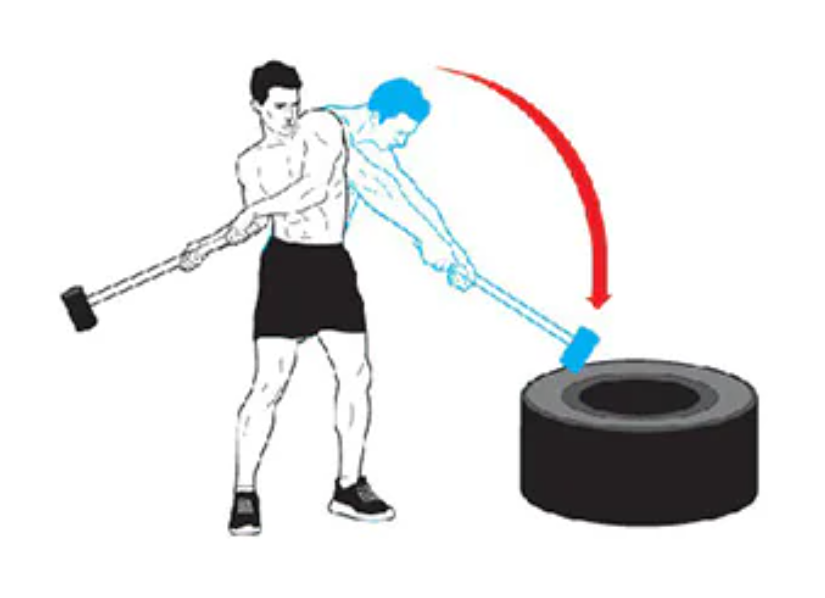
Image Source: www.kettlebellkings.com
What is a Sledgehammer?
A sledgehammer is a large, heavy hammer with a long handle and a large, flat striking head. It’s designed for delivering powerful blows to drive stakes, break rocks, demolish structures, and other heavy-duty tasks. The weight of the head and the length of the handle work together to generate significant force.
Types of Sledgehammers
Sledgehammers come in various weights and head shapes, each suited for different jobs. Choosing the right type is crucial for both effectiveness and safety.
-
Weight: Sledgehammers typically range from 2 pounds to as much as 20 pounds. Lighter hammers are easier to control for tasks requiring precision, while heavier ones provide more impact for breaking tough materials.
- 2-4 lbs: Good for lighter demolition, driving posts, and general use.
- 6-8 lbs: A versatile weight for many demolition tasks and breaking concrete.
- 10-12 lbs: For more serious demolition and breaking heavier materials.
- 16-20 lbs: Used for heavy-duty demolition and breaking large, dense materials.
-
Head Shape:
- Double Face: The most common type, with two flat faces. Ideal for general-purpose striking and demolition.
- Bell Face: One flat face and one rounded or “bell” face. The bell face helps prevent chipping or damaging the striking surface of the object being hit, especially when driving stakes.
- One Face, One Chisel: Features a flat face on one side and a sharp, chisel-like edge on the other. The chisel edge is useful for splitting wood or breaking apart brittle materials.
Anatomy of a Sledgehammer
- Head: The heavy metal part that strikes the target. Made from hardened steel.
- Eye: The hole in the head where the handle is inserted.
- Handle: The long shaft, typically made of wood, fiberglass, or steel. It’s designed for leverage and shock absorption.
- Wedge: A metal or wooden wedge driven into the top of the handle to secure it firmly in the eye of the head.
- Butt: The bottom end of the handle, which may have a rubber grip for comfort.
Essential Sledgehammer Safety
Sledgehammer safety is paramount. Because of their weight and the force they generate, improper use can lead to serious injury. Always prioritize safety.
Personal Protective Equipment (PPE)
Before picking up a sledgehammer, always wear the correct safety gear.
- Safety Glasses or Goggles: Essential to protect your eyes from flying debris, dust, or chips.
- Heavy-Duty Gloves: Provide a better grip, prevent blisters, and offer some protection from impact.
- Steel-Toed Boots: Crucial to protect your feet from dropped hammers or falling materials.
- Hard Hat: Recommended when working in demolition or areas where falling objects are a risk.
- Long Pants and Long-Sleeved Shirt: Protect your skin from abrasions and flying particles.
Pre-Use Inspection
Always inspect your sledgehammer before each use.
- Check the Head: Ensure the head is securely attached to the handle. If it feels loose, do not use the hammer. A loose head can fly off during a swing.
- Examine the Handle: Look for cracks, splinters, or damage. A damaged handle can break during use, causing an accident.
- Inspect the Grip: Make sure the grip is intact and provides a secure hold.
Work Area Safety
- Clear the Area: Ensure no people or pets are within the striking range.
- Stable Footing: Make sure you have solid, non-slippery ground to stand on.
- Ventilation: If breaking materials that create dust, ensure good ventilation or wear a dust mask.
- Awareness: Be aware of your surroundings and any potential hazards.
Mastering Sledgehammer Techniques
Effective use of a sledgehammer involves more than just brute force. Proper sledgehammer swing technique and sledgehammer striking techniques are key to maximizing impact and minimizing effort and risk.
Proper Sledgehammer Grip
A secure and comfortable grip is the foundation of safe and effective sledgehammer handling.
- Two-Handed Grip:
- Dominant Hand: Place your dominant hand near the bottom of the handle (the butt end). This hand provides power and controls the swing.
- Non-Dominant Hand: Place your non-dominant hand above your dominant hand, closer to the head. This hand guides the swing and helps control the impact.
- Grip Pressure: Maintain a firm but not overly tight grip. A death grip can cause fatigue and reduce control. Your hands should feel secure on the handle.
- Grip Placement: Experiment with hand placement to find what feels most comfortable and allows for the best leverage and control for your specific swing.
The Sledgehammer Swing Technique
A good swing uses your entire body, not just your arms. This allows for greater power and less strain on your body.
-
Stance:
- Stand with your feet shoulder-width apart, facing your target at an angle.
- Position yourself so you can strike the target squarely.
- Ensure you have stable footing.
-
The Backswing:
- Begin by lifting the sledgehammer back over your shoulder.
- Allow your body to rotate naturally.
- Keep your eyes focused on the target.
- The handle should be roughly parallel to the ground at the peak of your backswing for a powerful arc.
-
The Downswing:
- As you begin the downswing, rotate your torso and step forward slightly with your front foot.
- Let gravity assist in bringing the hammerhead down.
- Keep your arms relatively straight but not locked.
- As the hammer approaches the target, your non-dominant hand slides down the handle to meet your dominant hand, providing a powerful, unified strike.
-
The Impact:
- Strike the target with the flat face of the hammerhead.
- Aim for the center of the target.
- Allow the weight of the hammer to do the work. Avoid “muscling” the swing.
-
The Follow-Through:
- Continue the swing motion after impact.
- Allow the hammer to follow its natural arc.
- This smooth follow-through helps maintain balance and control, and prevents jarring impacts on your wrists and arms.
Sledgehammer Striking Surfaces
Where and how you strike the target significantly impacts the effectiveness and safety of your efforts.
- Target Material:
- Concrete/Masonry: Aim for cracks or edges to start breaking it apart. For larger sections, focus on consistent, powerful blows.
- Wood: Strike nails or structural points. For demolition, focus on breaking boards or structural members.
- Metal: Use for straightening, shaping, or breaking, depending on the metal and the task.
- Point of Impact:
- Center Face: For most general striking and demolition, hit with the flat face of the hammer.
- Edges/Corners: Can be used to chip away material or start breaks, but be mindful of glancing blows.
- Chisel End: If your sledgehammer has a chisel, use it for splitting wood or creating precise breaks.
Sledgehammer Striking Techniques
Different tasks call for different striking approaches.
- Driving Stakes: Use a controlled, rhythmic swing, aiming to drive the stake straight into the ground. Focus on accuracy over sheer power.
- Demolition: Employ powerful, consistent swings. Focus on covering the target area systematically. It’s often more effective to deliver a series of strong blows than one massive, uncontrolled swing.
- Breaking Rocks: Identify weak points or existing cracks. Aim your blows to exploit these weaknesses.
- Shaping Metal: Use controlled strikes to bend or flatten metal. The type of strike (tap, firm blow, heavy swing) will depend on the desired outcome.
Common Sledgehammer Uses
The versatility of the sledgehammer makes it invaluable for a wide array of tasks. Here are some common sledgehammer uses:
- Demolition: Breaking concrete, brick walls, old foundations, and other demolition projects. This is perhaps its most well-known application.
- Driving Stakes: Used to drive large stakes for fences, temporary structures, or earth retention into the ground.
- Breaking Rocks and Stone: For landscaping, excavation, or quarrying.
- Shaping Metal: In blacksmithing or metal fabrication to bend, flatten, or shape metal stock.
- Setting Posts: Driving wooden or metal posts for signs, mailboxes, or agricultural fencing.
- Automotive Repair: Sometimes used for heavy-duty tasks like straightening bent frames or removing stubborn parts.
- General Construction: Many construction tasks require the brute force of a sledgehammer for breaking or shaping materials.
Sledgehammer Handling: Best Practices
Beyond the swing, proper sledgehammer handling includes how you move, store, and manage the tool.
- Carrying:
- Carry the sledgehammer with the head down.
- Grip the handle firmly with one hand, keeping the striking face away from your body and others.
- If carrying for a long distance, you might sling it over your shoulder, ensuring the head is protected and doesn’t swing out.
- Moving Targets: If you need to break apart a large object, try to secure it first if possible. A shifting target is dangerous.
- Pacing Yourself: Sledgehammer work is physically demanding. Take breaks to avoid fatigue, which can lead to poor form and increased risk of injury.
- Two-Person Operations: If working with a partner, ensure clear communication about who is swinging and when. One person should never be near the striking area when the other is swinging.
Sledgehammer Maintenance
Proper sledgehammer maintenance ensures its longevity and, more importantly, its safety.
- Cleaning: After use, wipe down the head and handle to remove dirt, debris, and moisture.
- Head Security: Periodically check that the head is still tight. If it loosens, you may need to re-wedge it or replace the handle.
- Handle Care:
- Wood Handles: If your wooden handle becomes dry, you can lightly sand it and apply a wood oil or linseed oil to prevent cracking and splintering.
- Fiberglass/Steel Handles: Keep these clean and check for any damage like chips or dents.
- Storage: Store the sledgehammer in a dry place, away from extreme temperatures. Hanging it on a wall rack is ideal to prevent tripping hazards and damage.
Tips for Effective Sledgehammer Use
Here are some additional sledgehammer tips to enhance your performance and safety:
- Know Your Target: Before you swing, assess the material you’re hitting. This helps you choose the right hammer weight and technique.
- Start Light: If you’re new to using a sledgehammer, start with a lighter weight (around 4-6 lbs) to get a feel for the swing and control before moving to heavier hammers.
- Use the Right Tool for the Job: Don’t try to break a massive concrete slab with a 2-pound sledgehammer. Use a weight appropriate for the task.
- Maintain Balance: A stable stance is crucial. If you feel yourself losing balance, stop swinging.
- Avoid Glancing Blows: Try to strike the target squarely with the flat face of the hammer. Glancing blows can cause the hammer to bounce unexpectedly or slip.
- Teamwork: If you have a partner, they can help stabilize larger pieces or clear debris, but always maintain clear communication and safe distances.
- Listen to Your Body: If you feel pain, stop. Pushing through pain can lead to serious injury.
Frequently Asked Questions (FAQ)
Q1: How heavy should a sledgehammer be?
A1: The weight depends on the task. For light demolition or driving stakes, a 2-4 lb sledgehammer is suitable. For breaking concrete, a 6-10 lb sledgehammer is common. For very heavy demolition, 10-20 lb hammers are used. Always choose a weight you can control safely.
Q2: Can I use a sledgehammer with one hand?
A2: While you might be able to use a very light sledgehammer with one hand for minor tasks, it’s generally not recommended. Proper sledgehammer handling and the most effective sledgehammer swing technique involve using both hands for power, control, and safety.
Q3: What is the safest way to carry a sledgehammer?
A3: The safest way to carry a sledgehammer is with the head pointing down, gripping the handle firmly with one hand, and keeping the striking face away from your body and others.
Q4: How do I know if my sledgehammer is safe to use?
A4: Always perform a pre-use inspection. Check that the head is firmly attached to the handle with no looseness. Inspect the handle for cracks, splinters, or damage. Ensure the grip is secure. If you find any issues, do not use the hammer until it’s repaired or replaced.
Q5: What are the most common sledgehammer uses?
A5: Common sledgehammer uses include demolition (breaking concrete, brick), driving stakes and posts, breaking rocks, and shaping metal in blacksmithing.
Q6: Should I stand directly in front of the object I’m hitting with a sledgehammer?
A6: No. You should stand at an angle to the target, with your feet shoulder-width apart and stable footing. This allows for a better swing arc and reduces the risk of being hit by ricochets or debris.
By following these guidelines for sledgehammer safety, mastering sledgehammer swing technique, and practicing proper sledgehammer handling and sledgehammer maintenance, you can use this powerful tool effectively and minimize the risk of injury. Always remember that the weight and force of a sledgehammer demand respect and careful application.