
What is a sawhorse? A sawhorse is a strong, portable frame used to support wood or other materials when you are cutting them with a saw. Can I use sawhorses for various projects? Yes, sawhorses are incredibly versatile and can support everything from simple DIY tasks to heavy-duty construction. Who is a sawhorse for? Anyone who works with wood or needs a stable surface for cutting, painting, or assembling items.
Sawhorses are the unsung heroes of the workshop and job site. These simple, sturdy frames provide essential support for your projects, making cutting, sanding, painting, and assembly safer and more efficient. Whether you’re a seasoned carpenter or a weekend DIY enthusiast, knowing how to use sawhorses effectively can elevate your work. This guide will delve into everything you need to know, from choosing the right type of sawhorse to setting them up safely and creatively using them for a variety of tasks.
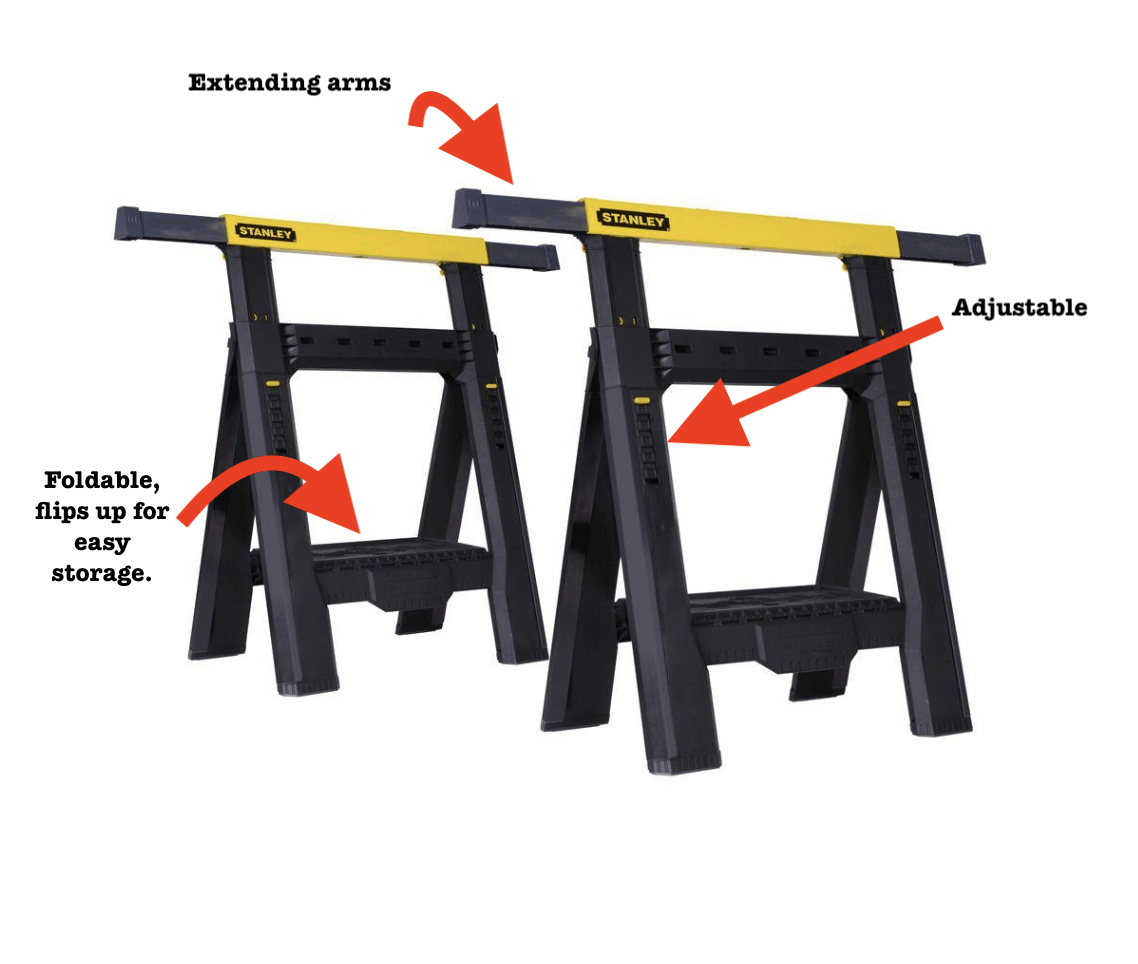
Image Source: thriftdiving.com
Choosing Your Sawhorse
The world of sawhorses offers a range of options, each suited for different needs. Understanding these differences will help you pick the best tools for your projects.
Types of Sawhorses
- Folding Sawhorses: These are extremely popular due to their portability and ease of storage. They collapse into a compact form, making them ideal for those with limited space or who need to transport their equipment frequently. Many folding sawhorses feature quick-release mechanisms for fast setup.
- Adjustable Sawhorses: For projects requiring precise height adjustments, adjustable sawhorses are invaluable. They often come with telescoping legs or adjustable tops, allowing you to customize the working height to your comfort and the specific needs of your task. This is especially useful for creating a level workbench support at a custom height.
- Portable Sawhorse: Beyond just folding, portability also refers to the overall design and weight. Lighter models, often made from aluminum or thinner wood, are easier to carry around a job site or from your garage to a remote location.
- Heavy Duty Sawhorses: When dealing with substantial materials like thick lumber, large sheet goods, or even heavier objects, heavy-duty sawhorses are essential. They are built with robust materials and often have a wider stance for maximum stability and weight capacity.
- Metal Sawhorses: Typically made from steel or aluminum, metal sawhorses are known for their durability and strength. They can withstand harsh weather conditions and heavy use, making them a long-term investment for serious workshops.
- Wooden Sawhorses: These are often the most traditional and can be built at home. Wooden sawhorses are strong and can be customized in size and shape. They are a great option for those who enjoy building their own tools or need sawhorses with specific dimensions.
- DIY Sawhorses: For the crafty individual, building your own sawhorses is a rewarding project. This allows for complete customization of size, strength, and features to perfectly match your workshop and project needs.
Materials and Construction
The material your sawhorses are made from significantly impacts their strength, weight, and longevity.
- Wood: Classic and often cost-effective. Good quality lumber, properly joined, makes for very strong sawhorses. They can be prone to rot and warping if not treated or stored properly.
- Metal (Steel/Aluminum): Steel offers exceptional strength and durability, often at a heavier weight. Aluminum is lighter, corrosion-resistant, and still very strong, making it a popular choice for portable and high-end options.
- Plastic/Composite: Some sawhorses are made from durable plastics or composite materials. These are often lightweight and resistant to moisture, but may not offer the same load-bearing capacity as metal or heavy-duty wood.
Weight Capacity
Always check the weight capacity of any sawhorse you consider buying. This is usually listed in pounds (lbs) or kilograms (kg). For general woodworking, 1,000-2,000 lbs per pair is usually sufficient. For heavier construction tasks, you might need sawhorses rated for 3,000 lbs or more.
Setting Up Your Sawhorses Safely
Safety is paramount when working with tools, and sawhorses are no exception. Proper setup ensures stability and prevents accidents.
Placement and Stability
- Level Surface: Always set up sawhorses on a flat, level surface. Uneven ground can cause them to wobble or tip.
- Wide Stance: Ensure the legs of your sawhorses are fully extended and splayed outwards to their widest point. This provides the most stable base.
- Spacing: The distance between your sawhorses depends on the length of the material you’re supporting. For long pieces of lumber, place sawhorses closer together to prevent sagging. For sheet goods, one at each end is usually sufficient, but consider an extra in the middle for very large or flexible sheets.
- Locking Mechanisms: If your sawhorses have locking mechanisms for their legs or tops, ensure they are securely engaged before placing any weight on them.
What to Look For in a Stable Sawhorse
- Wide Leg Spread: A wider base naturally increases stability.
- Non-Slip Feet: Rubber or textured feet help prevent the sawhorses from sliding, especially on smooth surfaces.
- Sturdy Bracing: Look for sawhorses with good cross-bracing between the legs. This adds rigidity and prevents racking (sideways movement).
- Solid Joints: All connections should be tight and secure, whether through bolts, screws, or strong welding.
Securing Your Workpiece
While sawhorses provide support, they don’t inherently hold your material in place.
- Clamps: Use C-clamps, bar clamps, or quick-grip clamps to secure your workpiece to the sawhorse. This is crucial when cutting, drilling, or sanding to prevent movement.
- Vise (Optional): Some sawhorses come with or can be adapted to hold a vise, offering a very secure way to hold smaller pieces.
Maximizing Your Sawhorse Usage: Beyond Basic Support
Sawhorses are more than just cutting stands; they can be transformed into versatile workstations.
The Sawhorse Table
One of the most popular uses for sawhorses is creating a temporary workbench.
- Materials: You’ll need a flat, stable surface to lay across the sawhorses. Plywood sheets (3/4 inch is ideal for rigidity), MDF, or even solid wood planks work well.
- Assembly:
- Position your sawhorses at the desired height and spacing.
- Lay your chosen tabletop material across the sawhorses.
- For extra stability, you can temporarily screw or clamp the tabletop to the sawhorses. Alternatively, some sawhorses have built-in notches or holes designed to accept a tabletop.
- Benefits: This creates an instant, large, and portable workbench. You can easily adjust its size by using wider or longer tabletops. It’s perfect for assembly, painting, sanding, or as an outfeed table for a table saw.
Using Sawhorses as Workbench Support
When you need a robust workbench, even a sturdy existing one might need extra legs. Sawhorses can provide that.
- Temporary Support: Place sawhorses under a long workbench that might be sagging in the middle, especially if it’s overloaded.
- Extending a Workbench: Use sawhorses at the ends of a workbench to create an extended working surface for larger projects.
- Creating a Multi-Level Work Area: By using adjustable sawhorses or shimming standard ones, you can create different levels for sorting materials or placing tools.
Creative Project Applications
- Painting: Prop up doors, trim, or furniture pieces on sawhorses for easy access to all sides for painting or staining.
- Assembly: Use them to hold pieces of furniture, cabinets, or other items at a convenient height while you assemble them.
- Cutting Large Panels: Support large plywood sheets or other sheet goods safely while cutting with a circular saw.
- Temporary Shelving: With a few extra planks and some ingenuity, you can create temporary shelving units for storage.
- Outdoor Projects: They are excellent for projects done outside, like building a deck or fence, where you need to keep materials off the ground.
Maintaining Your Sawhorses
To ensure your sawhorses last and perform reliably, some basic maintenance is helpful.
- Cleaning: Wipe them down after each use, especially if they’ve been exposed to dust, dirt, or moisture.
- Inspection: Regularly check for loose bolts, cracks, or signs of wear. Tighten any loose fasteners.
- Wood Protection: For wooden sawhorses, a coat of varnish, paint, or wood sealant can protect them from moisture and prolong their life.
- Storage: Store them in a dry place to prevent wood from warping or metal from rusting. If storing folding sawhorses, ensure they are properly closed and secured.
Table: Comparing Sawhorse Types
| Feature | Folding Sawhorse | Adjustable Sawhorse | Heavy Duty Sawhorse | Metal Sawhorse | Wooden Sawhorse | DIY Sawhorse |
|---|---|---|---|---|---|---|
| Portability | Excellent | Good | Moderate | Good (Aluminum) / Poor (Steel) | Poor | Poor |
| Storage | Excellent (Compact) | Good | Moderate | Moderate | Poor | Poor |
| Adjustability | Limited (Fixed height) | Excellent | Limited (Fixed height) | Limited (Fixed height) | Limited (Fixed height) | Customizable |
| Strength | Varies (can be moderate) | Varies (can be high) | Excellent | Excellent | Excellent | Customizable |
| Cost | Moderate | Moderate to High | Moderate to High | Moderate to High | Low to Moderate | Low (material cost) |
| Best For | Small spaces, mobility | Precision work, varied heights | Large, heavy materials | Durability, tough jobs | Traditional workshops, custom builds | Custom needs, cost savings |
Frequently Asked Questions About Sawhorses
Q1: What is the maximum weight a sawhorse can hold?
A1: Sawhorse weight capacities vary greatly by model and material. Always check the manufacturer’s specifications. Typically, consumer-grade sawhorses might support 1,000-2,000 lbs per pair, while heavy-duty professional models can handle 3,000 lbs or more.
Q2: Can I stand on sawhorses?
A2: It is generally not recommended to stand on sawhorses unless they are specifically designed and rated for that purpose, which is rare. Their primary function is to support materials, not people. Standing on them can lead to instability and serious injury.
Q3: How far apart should I place sawhorses?
A3: The distance depends on the length and type of material being supported. For long boards, place sawhorses closer to prevent sagging. For sheet goods like plywood, one at each end is usually sufficient, but consider adding one in the middle for very large or flexible sheets to ensure a flat surface.
Q4: How do I make my sawhorses more stable?
A4: Ensure they are on a level surface, with legs fully extended. If they lack non-slip feet, you can add rubber pads. For wooden sawhorses, consider adding diagonal bracing between the legs if they don’t already have it. Using sawhorses to create a sawhorse table with a wide, flat top can also improve overall stability for the setup.
Q5: What’s the difference between metal and wooden sawhorses?
A5: Metal sawhorses (steel or aluminum) are generally more durable, weather-resistant, and can withstand heavier loads. Wooden sawhorses are often more affordable, can be customized easily, and offer good strength, but require more care to protect them from moisture and impact.
Q6: Are folding sawhorses strong enough for heavy projects?
A6: Many folding sawhorses are designed for portability and might not have the same weight capacity as heavy-duty, non-folding models. However, there are robust folding sawhorses available that are rated for substantial loads. Always check the weight rating before undertaking heavy projects.
Q7: How can I build my own sawhorses?
A7: Building DIY sawhorses is a popular project. You’ll need lumber, screws or bolts, and a plan. Simple designs involve creating an ‘A’ frame or a simple trestle. Many plans are available online, offering step-by-step instructions for various designs, from basic to elaborate.
Sawhorses are fundamental tools for anyone who works with their hands. By selecting the right type, setting them up safely, and exploring their diverse applications, you can transform your workspace and tackle projects with greater efficiency and confidence. Whether you opt for convenient folding sawhorses, robust metal sawhorses, or enjoy building your own DIY sawhorses, they are an investment that pays dividends in every project you undertake.