
A scroll saw is a versatile tool used for cutting intricate designs and curves in wood, metal, and plastic. Can you use a scroll saw to make detailed inlays or delicate fretwork? Absolutely! This guide will walk you through everything you need to know about using your scroll saw safely and effectively, from initial setup to advanced techniques.
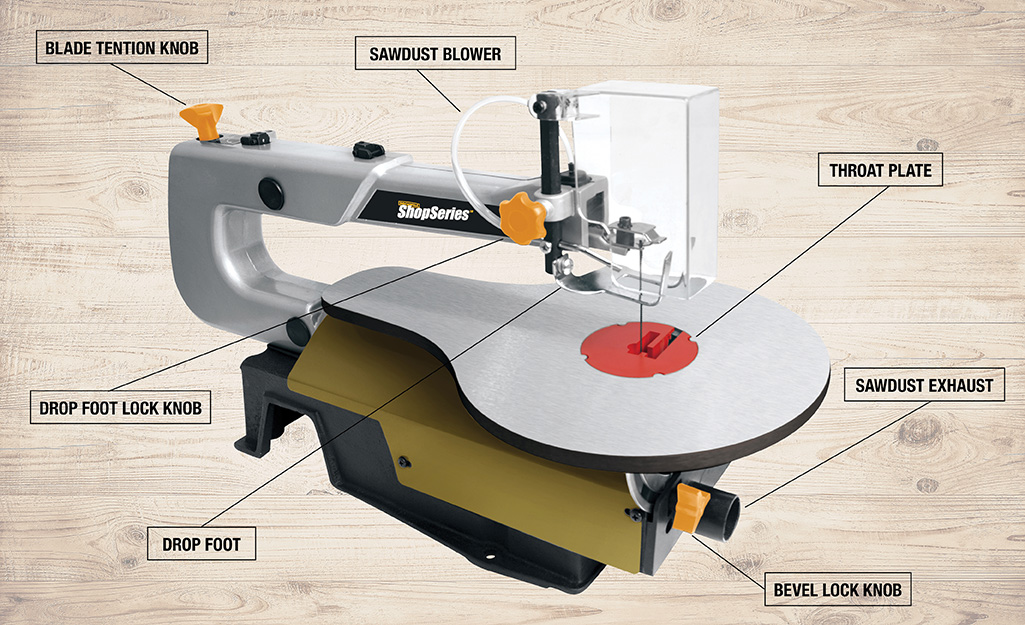
Image Source: contentgrid.homedepot-static.com
Mastering Scroll Saw Safety
Before you even plug in your scroll saw, prioritizing scroll saw safety is paramount. Woodworking machinery, while incredibly useful, can be dangerous if not treated with respect.
Essential Safety Gear
- Eye Protection: Always wear safety glasses or a face shield. Small wood chips or broken scroll saw blades can fly unexpectedly.
- Hearing Protection: Scroll saws can be noisy. Earplugs or earmuffs will protect your hearing during extended use.
- Dust Mask or Respirator: Sawdust is a health hazard. A good quality dust mask or respirator will prevent you from inhaling fine particles.
- Appropriate Clothing: Avoid loose clothing, jewelry, or anything that could get caught in the moving parts of the saw. Tie back long hair.
- Footwear: Wear sturdy, closed-toe shoes to protect your feet from falling objects or sharp debris.
Safe Operation Practices
- Read the Manual: Every scroll saw is slightly different. Familiarize yourself with your specific model’s features, controls, and safety warnings by reading the manufacturer’s manual thoroughly.
- Stable Work Surface: Ensure your scroll saw is securely mounted to a sturdy workbench or stand. A wobbly saw is a recipe for disaster.
- Clear Workspace: Keep your work area clean and free of clutter. Remove any scrap wood, tools, or other items that could obstruct your movement or cause tripping hazards.
- Never Force the Material: Let the saw do the work. Forcing wood into the blade can cause it to bind, break the blade, or lead to a loss of control.
- Keep Hands Away from the Blade: Maintain a safe distance from the moving scroll saw blades. Use push sticks or clamps for very small pieces if needed.
- Concentration is Key: Avoid distractions while operating the scroll saw. If you need to step away, turn off the saw and wait for the blade to stop completely.
- Blade Tension: Ensure the scroll saw blade is correctly tensioned. Too loose, and it can wander; too tight, and it can snap. We’ll cover this more in scroll saw setup.
- Disconnect Power: Always unplug the saw when changing blades, making adjustments, or performing scroll saw maintenance.
Scroll Saw Setup: Getting Ready to Cut
Proper scroll saw setup is crucial for both safety and the quality of your cuts. A well-tuned saw makes a world of difference.
Table and Fence Alignment
Most scroll saws have a tilting table. Ensure it’s set to the desired angle (usually 0 degrees for standard cuts) and locked securely in place. If your saw has a fence, ensure it’s square to the blade unless you’re deliberately cutting at an angle.
Blade Installation and Tensioning
This is a critical step for safe and effective operation.
Choosing the Right Scroll Saw Blades
The type of scroll saw blades you use depends on the material you’re cutting and the desired cut quality.
Table 1: Common Scroll Saw Blade Types and Uses
| Blade Type | Teeth Per Inch (TPI) | Cutting Speed | Cut Quality | Best For |
|---|---|---|---|---|
| Skip-Tooth Blades | Low (e.g., 2-5) | Fast | Coarser | General purpose, thicker hardwoods, faster cuts |
| Double-Tooth Blades | Medium (e.g., 7-10) | Medium | Medium | General purpose, medium-thickness woods |
| Fine-Tooth Blades | High (e.g., 12-20+) | Slow | Very Fine/Smooth | Thin woods, veneers, intricate detail, plastics |
| Reverse-Tooth Blades | Varies | Medium | Smooth bottom cut | Cuts where the bottom surface is visible |
| Spiral Blades | Varies | Medium | Multi-directional | Cutting in any direction, curves |
Key considerations when selecting blades:
- Material Thickness: Thicker materials generally require blades with fewer teeth per inch (lower TPI) for efficient cutting. Thinner materials benefit from higher TPI for a cleaner cut.
- Cut Detail: For very intricate scroll saw patterns, you’ll need thin blades with a high TPI.
- Blade Width: Wider blades are sturdier for straight cuts, while narrower blades are essential for tight curves.
Attaching and Tensioning the Blade
- Disconnect Power: Ensure the saw is unplugged.
- Locate Blade Clamps: Most saws have clamps at the top and bottom of the blade.
- Insert Blade: Place the blade into the lower clamp, ensuring the teeth are pointing downwards.
- Raise Blade Arm: Lift the blade arm to bring the blade up to the upper clamp.
- Secure Blade: Insert the blade into the upper clamp.
- Tensioning: Adjust the tension mechanism (usually a knob or lever) until the blade is taut. A good test is to “pluck” the blade. It should produce a slight “ping” sound. If it’s too loose, it will flex and break easily. If it’s too tight, it can snap prematurely. Consult your manual for specific tensioning guidelines for your saw.
Understanding Scroll Saw Speed Control
Many modern scroll saws feature scroll saw speed control. This allows you to adjust the blade’s oscillation speed, which is vital for different materials and techniques.
- Faster Speeds: Good for softer woods and faster, less detailed cuts.
- Slower Speeds: Essential for hardwoods, thin materials, metal, and intricate work. Slower speeds give you more control and reduce heat buildup, which can dull blades quickly.
Experiment with different speeds on scrap pieces to find the optimal setting for your current project.
Dust Collection Setup
Effective scroll saw dust collection is crucial for both your health and the visibility of your work. Fine sawdust can obscure your cut line and create a respiratory hazard.
- Shop Vac Connection: Many saws have a port to connect a shop vacuum. Ensure a tight seal for maximum efficiency.
- Dust Blower: Some saws have an air blower that blows dust away from the blade and your work area. Ensure this is functioning and not blocked.
- Workspace Ventilation: If direct dust collection isn’t sufficient, ensure good general ventilation in your workshop.
Effective Scroll Saw Techniques
Once your saw is set up and you’ve got your safety gear on, it’s time to explore scroll saw techniques.
Basic Cutting and Turning
- Follow the Line: Keep your eye on the cut line, guiding the wood smoothly through the blade.
- Turn the Wood, Not the Saw: You turn the workpiece to guide it along the desired cut line. The saw remains stationary.
- Maintain Control: Use both hands to guide the wood, but avoid gripping it too tightly. Relaxed hands allow for smoother movements.
Cutting Intricate Scroll Saw Patterns
This is where the scroll saw truly shines.
- Blade Orientation: For internal cuts (cutting a shape out from the inside of a piece of wood), you’ll need to detach the blade from one end, thread it through a pre-drilled hole in the material, and reattach it.
- Drilling Pilot Holes: For internal cuts, drill a pilot hole large enough for your blade to pass through easily, slightly inside the waste area of your pattern.
- Controlled Turns: For tight curves, slow down your feed rate and make small, controlled turns of the workpiece.
- Relief Cuts: For very sharp internal corners, consider making “relief cuts” from the edge of the material into the waste area. This removes material that might otherwise bind the blade as you turn.
- Underside Support: For delicate or thin work, consider placing a piece of thin plywood or hardboard underneath your workpiece to provide extra support and prevent tear-out.
Cutting Different Materials
- Wood: Most common. Adjust speed and blade TPI based on wood hardness and thickness.
- Plywood: Can be prone to delamination. Use a fine-tooth blade and a slower speed. Consider backing the material with tape to reduce tear-out.
- MDF: Cuts well but produces a lot of fine dust. Good dust collection is essential.
- Plastic: Use blades designed for plastic or fine-tooth metal blades. Cut slowly to prevent melting.
- Thin Metal: Requires specialized metal-cutting blades and slow speeds. Ensure good lubrication if recommended.
Bevel Cutting
Many scroll saws allow the table to tilt for bevel cuts.
- Set the Bevel Angle: Use the angle scale on the saw table to set the desired tilt.
- Secure the Workpiece: Ensure the material is held firmly against the table and the fence (if used) to prevent shifting during the angled cut.
- Adjust Cutting Technique: You may need to adjust your feed rate slightly, as the blade will be cutting at an angle to the grain in some instances.
Scroll Saw Projects: What Can You Create?
The possibilities for scroll saw projects are vast and limited only by your imagination and skill.
- Decorative Items: Intricate wall hangings, ornaments, snowflakes, holiday decorations.
- Toys: Wooden puzzles, animal figures, dollhouse furniture.
- Jewelry: Pendants, earrings made from thin wood or acrylic.
- Signs and Plaques: Personalized signs with detailed lettering.
- Inlays and Marquetry: Creating decorative patterns by fitting pieces of different woods together.
- Model Building: Components for architectural models or miniatures.
- Functional Items: Small boxes, trays, coasters with decorative cutouts.
When starting, choose scroll saw patterns that match your current skill level. Many free and paid patterns are available online and in woodworking magazines.
Scroll Saw Maintenance: Keeping Your Tool in Top Shape
Regular scroll saw maintenance will ensure your saw operates safely and effectively for years to come.
Cleaning
- Blade Area: Regularly remove sawdust and debris from around the blade guides and table.
- Motor Housing: Keep the exterior of the saw clean.
- Dust Collection Ports: Ensure dust ports are clear to maintain efficient dust removal.
Lubrication
- Consult your owner’s manual for specific lubrication points. Some saws require periodic oiling of moving parts.
- Avoid over-lubricating, as this can attract dust and gunk.
Blade Guides
- Adjusting Guides: The blade guides (often small rollers or blocks) should be adjusted to be just kissing the sides of the blade. This provides support without causing friction or binding.
- Wear and Tear: Check guides for wear and replace them if they become damaged or worn.
Belt and Motor
- Check drive belts for wear or damage and replace them as needed.
- Ensure cooling vents for the motor are clear of debris.
Scroll Saw Troubleshooting: Solving Common Issues
Even with good maintenance, you might encounter issues. Here’s how to tackle common scroll saw troubleshooting problems.
Table 2: Scroll Saw Troubleshooting Guide
| Problem | Possible Cause | Solution |
|---|---|---|
| Blade breaks frequently | Incorrect tension (too tight/too loose) | Adjust blade tension. Refer to manual. |
| Wrong blade for material/cut | Use an appropriate scroll saw blade (TPI, type). | |
| Forcing material, binding | Slow down feed rate, don’t force. Use relief cuts for tight turns. | |
| Worn or damaged blade guides | Adjust or replace blade guides. | |
| Blade installed backward | Ensure teeth point downwards. | |
| Blade wanders or drifts | Blade tension too loose | Increase blade tension. |
| Dull blade | Replace the scroll saw blade. | |
| Worn or misaligned blade guides | Adjust or replace blade guides. Ensure they are square to the blade. | |
| Uneven pressure on workpiece | Maintain steady, even pressure on the material. | |
| Poor cut quality (tear-out) | Wrong blade for material | Use a finer-tooth blade for smoother cuts. |
| Cutting too fast | Slow down the feed rate. | |
| Lack of support for thin material | Use a backing board or tape. | |
| Dull blade | Replace the scroll saw blade. | |
| Saw vibrates excessively | Saw not securely mounted | Securely mount the saw to a stable workbench. |
| Blade is unbalanced or damaged | Replace the scroll saw blade. | |
| Debris in moving parts | Clean the saw thoroughly. | |
| Motor overheats | Dust blocking vents | Clean cooling vents. |
| Overloading the motor (forcing material) | Slow down feed rate, use appropriate blades. | |
| Continuous long run times without breaks | Allow the motor to cool down periodically. | |
| Dust collection is poor | Loose connections in dust hose | Ensure all connections are secure. |
| Dust port or hose is clogged | Clean out the dust port and hose. | |
| Inadequate vacuum power | Ensure your shop vacuum is adequately powerful and the filter is clean. |
Frequently Asked Questions (FAQ)
Q1: How do I choose the right scroll saw blade for a specific project?
A1: Consider the material’s thickness and hardness, and the intricacy of the cut. Thicker/softer materials need fewer teeth per inch (TPI) for faster, coarser cuts. Thinner/harder materials require more TPI for cleaner, slower cuts. For very detailed scroll saw patterns, use thin blades with high TPI.
Q2: Can I use a scroll saw to cut metal?
A2: Yes, but you need specialized metal-cutting scroll saw blades and very slow speeds to prevent overheating and blade damage. Always consult your saw’s manual for material compatibility.
Q3: What’s the best way to make an internal cut with a scroll saw?
A3: Drill a pilot hole within the waste area of your pattern. Detach the blade from the upper or lower arm, thread it through the pilot hole, and reattach the blade. Ensure the blade is properly tensioned.
Q4: Why does my scroll saw blade keep breaking?
A4: This is often due to incorrect blade tension (too tight or too loose), using the wrong blade for the material or cut, forcing the material, or worn blade guides. Double-check your scroll saw setup and blade choice.
Q5: How important is scroll saw dust collection?
A5: Very important! It protects your health by preventing inhalation of fine sawdust, improves visibility of your cut line, and keeps your workspace cleaner. Good scroll saw dust collection is a key part of safe and effective operation.
By following these guidelines for scroll saw safety, scroll saw setup, scroll saw techniques, and scroll saw maintenance, you can confidently tackle a wide range of scroll saw projects and create beautiful, intricate pieces of work. Remember to always prioritize safety and enjoy the process of bringing your designs to life!