
Can you cut porcelain tile with a wet saw? Yes, you can cut porcelain tile with a wet saw. In fact, a wet saw is the most effective tool for cutting harder materials like porcelain, ceramic, stone, and even granite. This guide will help you master the use of your tile wet saw, ensuring both safety and precision for all your tiling projects.
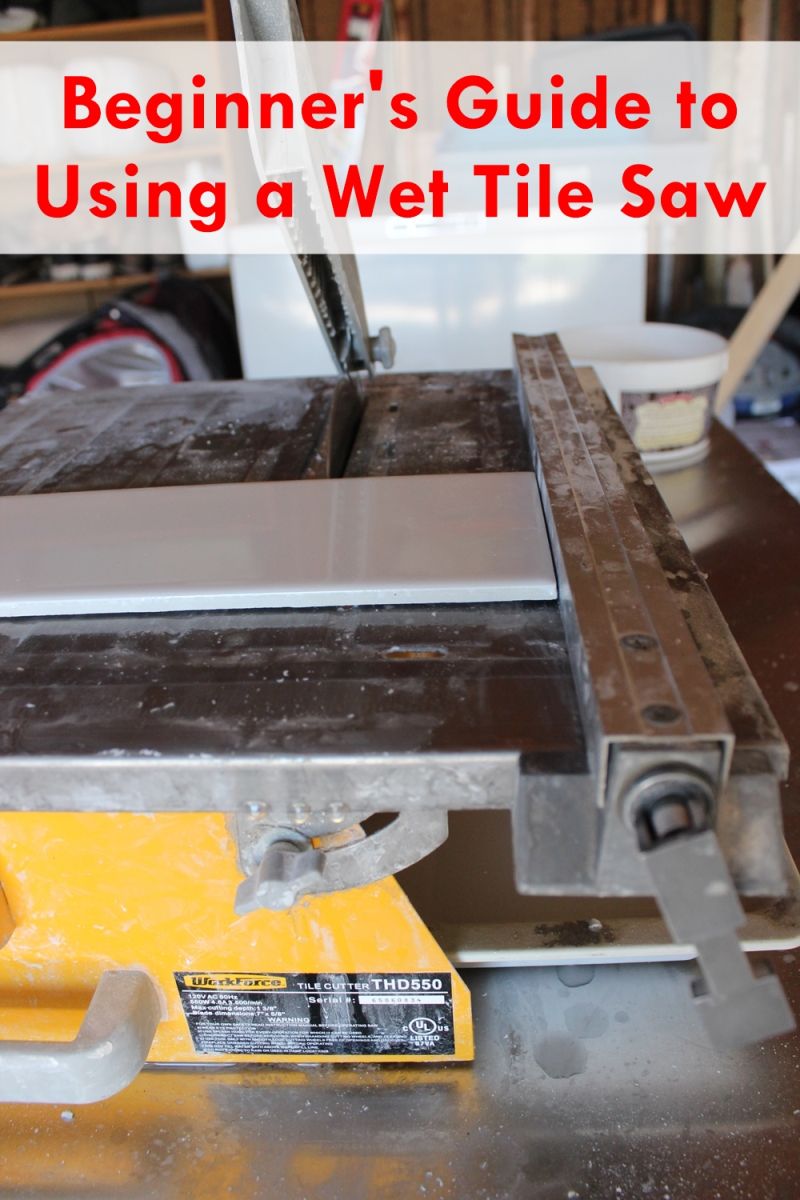
Image Source: cdn.homedit.com
What is a Wet Saw and Why Use One?
A wet saw is a power tool specifically designed for cutting tile, stone, and masonry. Its defining feature is the use of a water system to keep the blade cool and suppress dust. This is crucial because cutting hard materials generates a lot of heat and fine particles, which can quickly damage the blade and create an unhealthy work environment.
The Advantages of Using a Wet Saw
- Cooling: The water spray cools the blade, preventing it from overheating. This extends the blade’s lifespan and ensures cleaner cuts.
- Dust Suppression: The water effectively traps the dust and slurry produced during cutting, creating a much safer and cleaner workspace. This is a significant advantage over dry cutting methods.
- Precision: Wet saws provide a stable platform and a guided cutting path, allowing for highly accurate and repeatable cuts.
- Versatility: With the right wet saw blades, you can cut a wide variety of materials, from soft ceramic to hard porcelain and even granite.
Essential Wet Saw Safety Practices
Before you even plug in your wet saw, prioritizing wet saw safety is paramount. This tool, while incredibly useful, is a power tool and demands respect and proper handling.
Personal Protective Equipment (PPE)
Always wear the following gear when operating a wet saw:
- Safety Glasses or Goggles: Protect your eyes from water spray, debris, and flying particles.
- Hearing Protection: Wet saws can be loud. Earplugs or earmuffs are essential to prevent hearing damage.
- Waterproof Gloves: Keep your hands dry and provide a better grip on the tile.
- Waterproof Apron or Old Clothes: You will get wet. Wear clothing that can withstand moisture and potential slurry splashes.
- Closed-Toe Shoes: Protect your feet from dropped materials or the saw itself.
Workspace Safety
- Stable Surface: Place the wet saw on a sturdy, level surface. Ensure it won’t tip or vibrate excessively.
- Clear Area: Keep the area around the saw free of clutter, tripping hazards, and flammable materials.
- Electrical Safety:
- Use a Ground Fault Circuit Interrupter (GFCI) outlet. This is a critical wet saw safety measure, as water and electricity are a dangerous combination.
- Ensure the power cord is in good condition and not frayed.
- Keep the cord away from the water and the cutting area.
- Ventilation: While wet saws significantly reduce dust, some airborne particles may still be present. Work in a well-ventilated area if possible.
Machine Operation Safety
- Read the Manual: Familiarize yourself with your specific wet saw model’s instructions and warnings.
- Blade Guard: Never operate the saw without the blade guard properly in place.
- No Forced Cutting: Allow the blade to do the work. Forcing the material can jam the blade, damage the tile, or cause kickback.
- Keep Hands Clear: Maintain a safe distance between your hands and the spinning blade at all times.
- Never Reach Under the Blade: Even when the saw is off, wait for the blade to stop completely before reaching near it.
- Turn Off When Unattended: Always turn off and unplug the saw when you’re not actively cutting or when leaving it unattended.
Getting Started with Your Tile Wet Saw
Now that safety is covered, let’s dive into the practical aspects of using your tile wet saw.
Setting Up Your Wet Saw
- Placement: Position the saw on your stable work surface. Consider a workbench or a sturdy saw stand. Ensure it’s at a comfortable height for you to work.
- Water Reservoir:
- Fill the wet saw water reservoir with clean water. Most manufacturers recommend plain water, but some may suggest specific additives for certain materials or blade types. Check your manual.
- Ensure the water level is sufficient to immerse the bottom of the blade as it spins. This is crucial for effective cooling and dust control.
- Blade Installation:
- Consult your wet saw’s manual for the correct blade installation procedure.
- Ensure you are using the appropriate wet saw blades for the material you intend to cut.
- Make sure the blade is installed in the correct direction of rotation (usually indicated by an arrow on the blade or the saw).
- Tighten the blade nut securely, but do not overtighten.
Understanding Wet Saw Components
Familiarize yourself with the key parts of your wet saw:
- Motor: Powers the blade.
- Blade: The cutting element. Different types are suited for different materials.
- Water Pump: Circulates water from the reservoir to the blade.
- Water Reservoir/Tray: Holds the water for cooling and dust suppression.
- Cutting Table/Surface: Where you place the tile to be cut. Some have sliding or tilting capabilities.
- Blade Guard: Protects the user from the spinning blade.
- Fence/Guide: Helps ensure straight cuts.
- Mitre Guide/Angle Gauge: Allows for angled cuts.
- Depth Adjustment: (If applicable) Controls how deep the blade cuts.
How to Cut Tile with a Wet Saw
Mastering how to cut tile with a wet saw involves preparation, technique, and careful execution.
Preparation is Key
-
Choose the Right Blade:
- Continuous Rim Blades: Best for smooth cuts on delicate or glazed tiles like ceramic and porcelain. They produce less chipping.
- Turbo Rim Blades: Have a wavy or segmented edge, offering faster cutting. Good for harder tiles and less sensitive to chipping.
- Diamond Blades: Specifically designed for very hard materials like granite, marble, and engineered stone. Ensure it’s rated for the material you’re cutting. A wet saw for granite will definitely require a high-quality diamond blade.
- Always check the blade’s specifications for compatibility with your material and saw.
-
Mark Your Cut Line:
- Use a pencil or a permanent marker to clearly mark the cut line on the tile.
- For precise cuts, especially on intricate patterns, consider marking both sides of the cut line.
- Remember to account for the blade’s kerf (the width of the cut). If you need to cut a specific width, mark the line where you want the edge of the tile to end up after the cut.
-
Position the Tile:
- Place the tile on the cutting table, ensuring it is stable and flat.
- Align your marked cut line with the blade. It’s generally best to have the blade cutting just past your line, removing the marked line itself.
- Ensure the tile is supported by the table and will not shift during the cut.
The Cutting Process
- Start the Saw: Turn on the wet saw. Allow the blade to reach full speed and ensure the water is flowing correctly over the blade.
- Feed the Tile:
- Gently and steadily push the tile into the spinning blade.
- Let the blade do the cutting; do not force the tile. Apply consistent, light pressure.
- Keep the tile moving forward smoothly. Avoid stopping or hesitating mid-cut, as this can cause chipping or blade binding.
- Complete the Cut: Continue feeding the tile until it has passed completely through the blade.
- Release and Stop: Once the cut is complete, slowly pull the tile back. Turn off the saw and wait for the blade to stop spinning completely before removing the cut tile.
Making Specific Cuts
- Straight Cuts: The most common cut. Use the fence or a miter guide for the straightest results.
- Angle Cuts (Miters): Many wet saws have adjustable tables or miter guides. Set your desired angle and carefully feed the tile.
- Cut-Outs (e.g., for outlets): This is trickier. You might need to make multiple straight cuts to remove a section. Some advanced users might attempt plunge cuts, but this requires extreme caution and experience. Alternatively, a “stitch cut” can be used where you make several closely spaced straight cuts into the material and then break it along the scored lines.
- Rip Cuts: Cutting along the length of the tile. Use the rip fence to guide the tile.
Advanced Techniques and Considerations
As you gain experience with your tile wet saw, you can explore more advanced techniques and troubleshoot common issues.
Wet Saw Depth Adjustment
Some wet saws offer wet saw depth adjustment. This feature allows you to control how deep the blade cuts into the material.
- Shallow Cuts: Useful for scoring the tile surface before a more controlled break or for making shallow channels.
- Full Depth Cuts: For cutting completely through the tile.
Always ensure the depth is set correctly for your material and desired outcome. If you’re cutting a thinner tile, you don’t need the blade to plunge unnecessarily deep.
Utilizing a Wet Saw Wet Kit
For some applications, or if your saw doesn’t have an integrated water system, you might use a wet saw wet kit. This typically involves a pump and tubing to deliver water directly to the blade. Ensure the kit is compatible with your saw and that the water flow is adequate.
Wet Saw Maintenance for Longevity
Proper wet saw maintenance is crucial for its performance and lifespan.
Regular Cleaning
- After Each Use:
- Turn off and unplug the saw.
- Drain the wet saw water reservoir.
- Remove any accumulated sludge, tile dust, and debris from the reservoir, pump, and blade area. A brush and hose can be helpful.
- Wipe down the saw and cutting table.
- Deep Cleaning: Periodically disassemble accessible parts (refer to your manual) for a more thorough cleaning.
Blade Care
- Inspect Blades: Check wet saw blades for wear, chips, or damage before each use.
- Keep Blades Clean: Rinse blades after use to remove slurry buildup.
- Replace Worn Blades: A dull blade can cause chipping, slow down cutting, and put extra strain on the motor. Replace blades when they show signs of wear.
Pump and Water System
- Check Water Flow: Ensure the pump is working and water is reaching the blade effectively.
- Clean Pump Intake: If the pump seems to be struggling, the intake might be clogged with debris.
Lubrication and Storage
- Follow your manufacturer’s recommendations for lubricating any moving parts.
- Store the wet saw in a clean, dry place when not in use.
Wet Saw Dust Control
While a wet saw is excellent for wet saw dust control, some fine particles can still become airborne, especially if the water system isn’t optimal or if you’re cutting very abrasive materials.
- Ensure Adequate Water Flow: The primary method of dust control is proper water saturation.
- Slurry Management: The slurry created should be contained and disposed of properly. Avoid washing large amounts down drains; let the solids settle and dispose of them as solid waste.
- Work Area: If possible, set up your wet saw outdoors or in a garage with good ventilation.
- Optional Dust Collectors: For very sensitive environments, some users might explore adding an external dust collection system, though this is less common with traditional wet saws.
Cutting Specific Materials: Granite and Beyond
While you can cut ceramic and porcelain easily, a wet saw for granite requires a bit more attention.
Cutting Granite
Granite is extremely hard, dense, and can be prone to chipping if not cut correctly.
- High-Quality Diamond Blade: This is non-negotiable. Use a blade specifically designed for natural stone or granite. Look for a continuous rim or a very fine turbo rim diamond blade for smoother results.
- Slower Feed Rate: Feed the granite into the blade more slowly and steadily than you would a ceramic tile. Let the blade do the work.
- Consistent Water Flow: Ensure ample water is cooling the blade at all times.
- Support: Granite can be heavy and prone to breaking if not supported properly during the cut. Ensure the entire length of the tile is supported on the cutting table.
- Score and Cut: For very thick or hard slabs, some professionals will lightly score the cut line first with a shallow pass before making the full cut.
- Patience: Cutting granite takes time. Don’t rush the process.
Other Materials
- Marble: Similar to granite, requires a good diamond blade and careful handling.
- Stone Tiles (Travertine, Slate): Generally cut well with diamond or turbo blades. Be mindful of natural variations that might cause chipping.
- Glass Tiles: Use a specialized continuous rim diamond blade for glass. Water flow is critical to prevent thermal shock and cracking.
Troubleshooting Common Wet Saw Issues
| Problem | Possible Cause | Solution |
|---|---|---|
| Blade Chipping Tile | Dull blade, forcing the tile, wrong blade type, low water | Sharpen or replace blade, feed smoothly, use correct blade, ensure adequate water flow. |
| Saw Binding/Jamming | Forcing tile, hitting a knot (in stone), blade misaligned | Reduce pressure, feed smoothly, check blade alignment, ensure blade is suitable for material. |
| Excessive Water Spray | Water pump issue, clogged water lines, blade guard not sealed | Check pump, clean water lines, ensure blade guard is properly seated and sealed. |
| Slow Cutting | Dull blade, wrong blade type, material is too hard | Replace blade, use a blade rated for the material, be patient and let the saw work. |
| Motor Overheating | Blocked vents, low voltage, forcing the cut | Clean motor vents, ensure proper power supply, reduce cutting pressure, ensure adequate water cooling. |
| Motor Humming/Stalling | Blade binding, motor overload, power issue | Release pressure on the tile, check for blade binding, ensure adequate power, motor may be failing. |
| Uneven Cuts | Worn blade, unstable tile, inconsistent feed rate | Replace blade, ensure tile is secure, maintain a steady feed rate, use guides. |
FAQs About Using a Wet Saw
Q: Can I cut regular concrete pavers with a wet saw?
A: Yes, but you’ll need a blade specifically designed for masonry or concrete. Standard tile blades might not hold up.
Q: How often should I change the water in the wet saw reservoir?
A: Ideally, change the water whenever it becomes very cloudy or filled with debris. This helps maintain cooling and reduces the risk of the pump getting clogged.
Q: Is it safe to use a wet saw indoors?
A: It’s generally safer and more practical to use a wet saw outdoors or in a garage. While it controls dust well, water spray can still create a mess and a slip hazard indoors. Ensure adequate ventilation if working inside.
Q: What is the warranty on most wet saws?
A: Warranties vary by manufacturer and model, but typically range from 1 year to a limited lifetime warranty on certain components. Always check your product manual.
Q: Can I cut metal with a wet saw?
A: No. Wet saws are designed for tile, stone, and masonry. Cutting metal requires different types of saws and blades (e.g., abrasive cutoff wheels, metal-cutting bandsaws).
Q: How do I know when my wet saw blade is worn out?
A: Signs include slower cutting, increased chipping of the tile, and the blade appearing visibly worn down or damaged along the cutting edge.
By following these guidelines for wet saw safety, operation, and maintenance, you’ll be well-equipped to tackle any tiling project with confidence and achieve professional-looking results. Remember that practice and patience are your best allies when working with power tools like a wet saw.