
Can you use an extension cord outdoors in the rain? Yes, you can, but only if it’s specifically designed for outdoor use and properly protected. Using a standard indoor extension cord outside, especially in wet conditions, is dangerous and can lead to electric shock, fire, or damage to your equipment. The key to safe outdoor extension cord usage lies in weatherproofing electrical cords and employing appropriate extension cord protection box solutions. This guide will walk you through everything you need to know about how to waterproof extension cord safely outdoors, ensuring your outdoor power needs are met without compromising safety.
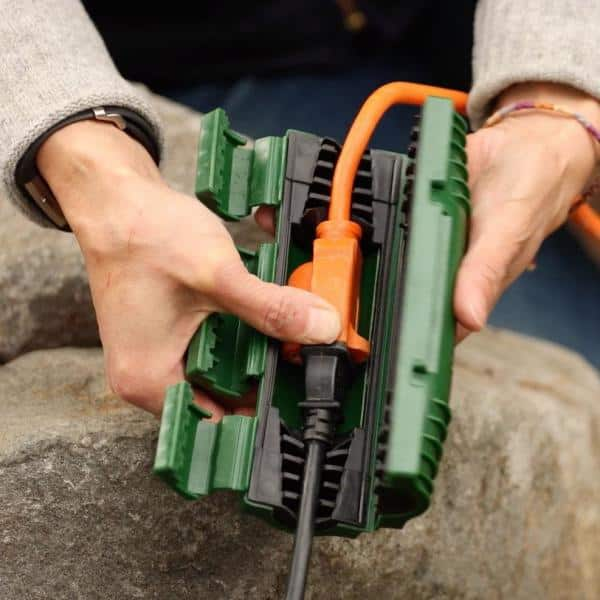
Image Source: images.thdstatic.com
Choosing the Right Outdoor Extension Cord
Before you can even think about waterproofing, selecting the correct type of extension cord is paramount. Not all extension cords are created equal, and using the wrong one outdoors is a recipe for disaster.
What Makes an Extension Cord “Outdoor Rated”?
An outdoor extension cord is built with materials and construction methods that allow it to withstand environmental elements like moisture, UV rays, and temperature fluctuations.
- Jacket Material: Outdoor cords typically have a durable PVC or rubber jacket that is resistant to water, oil, and abrasion. This outer layer is crucial for protecting extension cords from rain.
- Gauge (AWG): The American Wire Gauge (AWG) determines the thickness of the wire inside the cord. A lower AWG number means a thicker wire, which can handle more amperage and is less prone to overheating, especially over longer distances. For outdoor use, especially with power-hungry tools or lights, a heavy duty outdoor extension cord with a lower AWG (like 12 or 14) is recommended.
- Plug and Socket Design: Outdoor cords often feature polarized plugs (one blade wider than the other) for correct polarity and sealed or water-resistant socket connections.
Differentiating Between Types of Outdoor Cords
Not all outdoor cords are designed for every situation. Consider these distinctions:
- General Purpose Outdoor Cords: These are suitable for light-duty tasks like powering garden lights, holiday decorations, or a small fan. They offer basic protection against light rain and moisture.
- Heavy Duty Outdoor Cords: As mentioned, these are thicker and more robust. They are essential for powering heavier equipment like mowers, power tools, or electric heaters. Their construction offers superior durability and heat resistance.
- Submersible Extension Cords: For situations where the cord might be fully submerged in water (e.g., pond pumps, underwater lighting), a submersible extension cord is specifically designed for this purpose. These are rare and must be certified for submersion.
Essential Waterproofing and Protection Methods
Once you have the right outdoor extension cord, the next step is to ensure its connections are adequately protected from the elements. This is where weatherproofing electrical cords truly comes into play.
The Importance of Connection Protection
The most vulnerable points on any extension cord are the male and female ends where plugs connect. Water seeping into these connections can cause short circuits, corrosion, and pose a severe electrocution risk.
Methods for Securing Connections
Several methods can effectively seal these crucial connection points:
1. Using a Waterproof Cord Connector
A waterproof cord connector is a purpose-built device designed to create a watertight seal around the junction of two extension cords or between a cord and a plug.
- How they work: These connectors typically consist of a two-part casing that clamps down over the plugged-in cords. They often have rubber gaskets or O-rings to create a tight seal. Some are screw-on types, while others utilize a clamp-and-seal mechanism.
- Benefits: They offer a dedicated and reliable way to keep moisture out. They are relatively inexpensive and easy to use.
- When to use: Ideal for any outdoor connection, especially if the connection point might be exposed to direct rain, puddles, or splashes.
Table: Types of Waterproof Cord Connectors
| Type | Description | Best For |
|---|---|---|
| Screw-On Type | Two halves screw together, compressing a gasket around the connection. | General outdoor use, protecting multiple connection points. |
| Clamp-On Type | Clamps physically secure the connection, often with internal rubber seals. | Securing extension cord to device plugs, offering a robust seal. |
| Weatherproof Junction Box | A small, sealed box designed to house and protect cord connections. | More permanent installations, protecting multiple connections or a transformer. |
2. DIY Cord Waterproofing Techniques
While specialized products are often best, there are a few DIY cord waterproofing methods you can employ for added protection.
- Electrical Tape (Proper Application): Standard electrical tape isn’t truly waterproof, but it can offer a layer of protection when applied correctly. Wrap the tape tightly and overlap each layer generously, extending a good distance onto each cord and the connector body. Use high-quality, weather-resistant electrical tape.
- Heat Shrink Tubing: This is a more robust DIY solution. Select a piece of heat shrink tubing large enough to slide over one of the plugs. Once the cords are plugged together, slide the tubing over the connection and use a heat gun to shrink it tightly, creating a sealed barrier. Ensure the tubing is rated for outdoor use and is long enough to cover the entire junction.
- Silicone Sealant/Caulk: For a more permanent DIY solution, apply a generous amount of outdoor-rated silicone sealant or caulk around the connection point. Ensure the connection is made first, then seal any gaps. This is best for connections that won’t need to be frequently disconnected.
- Plastic Bags and Zip Ties (Temporary Fix): In a pinch, you can place the connection inside a heavy-duty plastic bag (like a freezer bag) and secure it tightly with zip ties, ensuring no water can enter. This is a temporary solution and not recommended for long-term or critical applications.
3. Extension Cord Protection Box
An extension cord protection box is a more substantial solution for safeguarding outdoor connections.
- What it is: These are typically sturdy plastic or rubber boxes designed with cable strain relief and watertight seals. They are large enough to house a plugged-in connection, shielding it from direct rain, snow, and even accidental foot traffic.
- Benefits: Provides a higher level of protection than simple connectors, especially in harsh weather or high-traffic areas. They can also help manage multiple cords.
- When to use: Ideal for powering seasonal decorations, outdoor lighting, or any equipment that will be exposed to significant weather. Look for boxes with internal cable grips to reduce strain.
4. Weatherproof Cord Management Systems
Beyond individual connections, consider overall weatherproof cord management.
- Cord Reels and Hiders: These can help keep cords tidy and out of the way, reducing the risk of them lying in puddles or being damaged by garden tools. Look for outdoor-rated versions.
- Cable Clips and Ties: Use UV-resistant cable clips or zip ties to secure cords to walls, fences, or posts. This keeps them elevated and prevents them from touching wet ground.
Advanced Considerations for Outdoor Power
For more demanding applications or prolonged outdoor use, there are additional factors to consider.
Surge Protection for Outdoor Electronics
When using electronics outdoors, it’s wise to protect them from power surges, which can be exacerbated by lightning strikes or fluctuations in the power grid.
- Extension Cord Surge Protector Outdoor: You can find extension cord surge protector outdoor units. These are designed to withstand outdoor conditions and provide protection for connected devices. Ensure the unit is rated for outdoor use and has a sufficient joule rating for the equipment you are powering.
- GFCI Protection: Ground Fault Circuit Interrupter (GFCI) outlets are essential for outdoor safety. They are designed to quickly shut off power if they detect an imbalance in current, which can occur if a person comes into contact with a live wire in wet conditions. Many outdoor outlets are GFCI protected by code, but it’s worth double-checking.
Protecting Cords from Physical Damage
Water isn’t the only outdoor hazard.
- Abrasions and Cuts: Protect cords from sharp edges, rocks, and lawnmower blades. Running cords through conduit or using protective sleeving can prevent physical damage.
- UV Degradation: Prolonged exposure to sunlight can degrade the insulation of standard cords. Use cords specifically rated for UV resistance or store them properly when not in use.
Submersible Applications: A Special Case
As mentioned, if you need a cord to be under water, a standard submersible extension cord is required.
- Certification: Ensure any cord advertised as submersible is certified by a recognized safety organization (like UL or ETL).
- Connection Sealing: Even with submersible cords, the connections are critical. Use specialized submersible connector kits, which are designed to create a completely watertight seal for the spliced or joined sections. These often involve waterproof potting compounds or specialized sealing glands.
Safety First: Essential Precautions
No matter how well you waterproof your extension cords, safety should always be your top priority.
General Safety Guidelines
- Inspect Cords Regularly: Before each use, check your outdoor extension cords for any signs of damage, such as cuts, nicks, frayed wires, or damaged plugs. Do not use a damaged cord.
- Never Overload: Ensure the total wattage of the devices plugged into the cord does not exceed its rated capacity. Overloading can cause the cord to overheat, melt, and potentially start a fire.
- Keep Connections Elevated: Whenever possible, keep all connections off the ground. Use hooks, brackets, or waterproof boxes to lift them above potential water accumulation.
- Avoid Tripping Hazards: Route cords safely to prevent people from tripping over them. Use cable covers or run them along edges where possible.
- Unplug When Not in Use: For added safety, unplug outdoor extension cords when they are not actively being used, especially during severe weather events.
- Use GFCI Outlets: Always plug your outdoor extension cords into GFCI-protected outlets.
Environmental Considerations
- Weather Conditions: Be mindful of the weather. If heavy rain, thunderstorms, or snow are expected, it’s best to disconnect your outdoor electrical equipment.
- Water Sources: Avoid running cords through standing water or areas prone to flooding.
Table: Extension Cord Waterproofing Checklist
| Item | Status (Check or N/A) | Notes |
|---|---|---|
| Outdoor Rated Extension Cord? | Ensure it’s designed for outdoor use (PVC/rubber jacket, appropriate gauge). | |
| Connection Point Protection? | Is the plug/socket connection adequately sealed? | |
| Waterproof Cord Connector Used? | If yes, is it properly installed and tight? | |
| DIY Waterproofing Applied? | If using tape/tubing, is it applied correctly and weather-resistant? | |
| Extension Cord Protection Box? | Is the box sealed and securely closed? | |
| GFCI Outlet Used? | Is the cord plugged into a GFCI-protected outlet? | |
| Cord Condition Checked? | No nicks, cuts, frays, or damaged plugs? | |
| No Overloading? | Is the total wattage within the cord’s capacity? | |
| Connections Elevated? | Are connections off the ground and out of standing water? | |
| UV Protection Considered? | Is the cord UV-resistant, or will it be stored when not in use? | |
| Physical Damage Protected? | Is the cord shielded from sharp objects or traffic? |
Frequently Asked Questions (FAQ)
Q1: Can I use a regular indoor extension cord outside if I wrap it in plastic?
A1: No, this is extremely dangerous and not recommended. Indoor cords are not built to withstand outdoor elements like moisture, temperature changes, and UV radiation. The plastic wrapping provides minimal protection and can create a false sense of security, potentially leading to shock or fire hazards. Always use an outdoor-rated cord.
Q2: What is the best way to protect an extension cord connection from rain?
A2: The best methods include using a dedicated waterproof cord connector, an extension cord protection box, or properly applied outdoor-rated electrical tape or heat shrink tubing as a DIY cord waterproofing measure. Ensuring the connection is elevated and not submerged is also crucial for protecting extension cords from rain.
Q3: Is a “heavy duty outdoor extension cord” waterproof by itself?
A3: A heavy duty outdoor extension cord is built to be water-resistant and durable for outdoor conditions, but the plug and socket connections are still vulnerable. You must use additional methods to waterproof these connection points to ensure safety and prevent water damage.
Q4: How do I connect two outdoor extension cords safely?
A4: To connect two outdoor extension cords safely, ensure both cords are rated for outdoor use. Then, use a waterproof cord connector or an appropriate extension cord protection box to seal the connection point. This prevents moisture from entering the junction.
Q5: Can I bury an extension cord outdoors?
A5: It is generally not recommended to bury standard extension cords. If you need to run power underground, use specialized underground rated cable and conduit, installed according to local electrical codes. A regular outdoor extension cord is not designed for burial.
Q6: What does “submersible extension cord” mean?
A6: A submersible extension cord is specifically engineered and certified to be safely used while fully submerged in water. These are typically used for applications like submersible pumps or underwater lighting and require specialized waterproof connectors for any splices.
Q7: Is an extension cord surge protector necessary for outdoor use?
A7: While not always mandatory, an extension cord surge protector outdoor unit is highly recommended, especially if you are powering sensitive electronics or valuable equipment outdoors. It adds a layer of protection against power surges, which can be more frequent or severe in outdoor environments due to lightning and electrical grid fluctuations.
By following these guidelines and employing the right protection methods, you can confidently and safely use your extension cords outdoors, ensuring your lighting, tools, and decorations have reliable power without compromising safety. Remember, when dealing with electricity, especially outdoors, caution and the right equipment are always your best defense.