
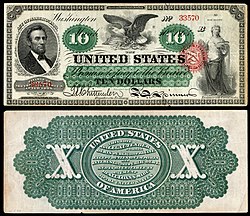
Image Source: upload.wikimedia.org
The Sawbuck Secret: Why Is A $10 Bill Called A Sawbuck?
A $10 bill is called a “sawbuck” due to its resemblance to the X-shaped frame used to hold logs for sawing. This nickname originates from the Roman numeral “X” for ten, which is featured on older designs of the ten-dollar bill.
Money, in its various forms, has always inspired creativity when it comes to names. From the humble “buck” for a dollar to more colorful and often humorous terms, the way we refer to currency tells a story of our culture and history. Among the many dollar bill nicknames, “sawbuck” for a ten-dollar bill stands out as particularly intriguing. But why is it called a sawbuck? The answer lies in a clever visual connection and a bit of linguistic evolution.
Deciphering the Sawbuck Reference: The Roman Numeral “X”
The primary reason for the ten dollar bill name origin as a “sawbuck” is the Roman numeral “X”. For many years, the ten-dollar bill, particularly the older United States Notes and Silver Certificates, prominently featured the Roman numeral “X” in its design. This “X” was often large and quite visible, especially on the reverse side of the bill.
The History of the Sawbuck: A Tool for the Trade
To truly appreciate the nickname, we need to look at the object itself: the sawbuck.
What is a Sawbuck?
A sawbuck is a sturdy wooden frame, typically in an “X” shape, designed to hold logs or wood in place for sawing. It’s a simple yet effective piece of equipment used by woodcutters and lumberjacks for centuries. The “X” shape provides a stable base, allowing the log to be positioned securely for cutting.
- Construction: Sawbucks are usually made from sturdy timber, with two X-shaped supports connected by a horizontal beam. This creates a stable cradle for the wood.
- Functionality: The primary purpose of a sawbuck is to prevent logs from rolling while they are being sawn. This was crucial for safety and efficiency in woodworking and firewood preparation.
- Visual Similarity: The iconic “X” shape of the sawbuck is the key to its connection with the ten-dollar bill.
The Etymology of Sawbuck: Linking the X to the Name
The connection between “sawbuck” and the ten-dollar bill isn’t just about the visual appearance; it’s also rooted in the etymology of sawbuck. The word “sawbuck” itself is a portmanteau, a blend of “saw” and “buck”.
- “Saw”: This refers to the tool used to cut the wood.
- “Buck”: In this context, “buck” likely refers to the support or frame that holds the wood. It’s a term that has been used for various types of supports and racks.
The term “sawbuck” gained popularity in the United States as this type of log-holding device became common. As the Roman numeral “X” became a prominent design element on the ten-dollar bill, the association with the sawbuck was a natural and easily understood leap for many Americans.
The Ten Dollar Bill Nickname Explanation: A Visual Pun
The ten dollar bill nickname explanation is essentially a visual pun. The large Roman numeral “X” on the bill was unmistakable and served as a direct visual cue to the sawbuck.
Sawbuck Slang Meaning and Money
The sawbuck slang meaning in relation to money developed organically from this visual correspondence. When people saw the “X” on the ten-dollar bill, they mentally connected it to the familiar “sawbuck” frame, and the nickname stuck.
- Simplicity: Nicknames for money are often simple and easy to remember. “Sawbuck” is short, memorable, and has a concrete association.
- Informal Usage: Like many slang terms for money, “sawbuck” is generally used in informal contexts. You’re more likely to hear it in casual conversation than in formal financial discussions.
A Look at the History of Bill Names
The practice of giving nicknames to currency is a long-standing tradition. The origin of bill names often reflects societal trends, cultural references, and the visual characteristics of the currency itself.
Other Dollar Bill Nicknames
The ten-dollar bill is not the only denomination with a nickname. Many other dollar bill nicknames exist, some of which are still in common use.
- One Dollar Bill:
- Buck: The most common nickname for any dollar. Its origin is debated, but some theories link it to the buckskin, a type of deerskin used as a medium of exchange in early American history.
- One-Spot: A straightforward reference to the denomination.
- Five Dollar Bill:
- Fiver: A simple and common nickname.
- Fiver (Abraham Lincoln): Often referred to as a “Lincoln” due to the portrait of Abraham Lincoln on the bill.
- Twenty Dollar Bill:
- Jackson: Named after Andrew Jackson, whose portrait is on the bill.
- Double Sawbuck: Sometimes used, extending the logic from the “X” for ten.
- Fifty Dollar Bill:
- Grant: Named after Ulysses S. Grant, whose portrait is on the bill.
- One Hundred Dollar Bill:
- C-Note: Derived from the Roman numeral “C” for one hundred.
- Benjamin: Named after Benjamin Franklin, whose portrait is on the bill.
The Evolution of the Ten-Dollar Bill Design
The ten dollar bill name origin is closely tied to the historical designs of the bill. While the “X” is the most famous visual element linked to the nickname, it’s important to note that currency designs change over time.
Older Designs and the “X”
For many years, the ten-dollar bill, especially United States Notes and Silver Certificates, featured a prominent Roman numeral “X”.
| Bill Type | Prominent Feature for Nickname | Common Depiction |
|---|---|---|
| U.S. Note (Series 1869-1923) | Roman Numeral “X” | Often large and ornate on the reverse |
| Silver Certificate | Roman Numeral “X” | A clear “X” was a consistent design element |
| Federal Reserve Note | Alexander Hamilton | Portraits of historical figures became standard |
The Federal Reserve Notes, which are the most common form of U.S. currency today, feature Alexander Hamilton on the front. While the “X” might be present in smaller, less conspicuous designs on some older Federal Reserve Notes, the prominent Roman numeral that inspired the “sawbuck” nickname was more prevalent on earlier currency types.
The Shift to Portraits
As currency design evolved, the focus shifted to featuring portraits of prominent American figures. This led to the “sawbuck” nickname becoming less directly tied to the immediate visual of the bill for newer generations. However, the nickname persisted due to its widespread adoption and the historical memory of the “X.”
Why Is It Called a Sawbuck? Reinforcing the Connection
The why is it called a sawbuck question has a clear answer: the visual resemblance and the historical presence of the Roman numeral “X” on older ten-dollar bills.
- The “X” Factor: The Roman numeral “X” is visually identical to the shape of a sawbuck’s primary support structure. This direct visual link made the nickname intuitive.
- Cultural Memorization: Even as designs changed, the nickname became ingrained in American culture. It’s a piece of linguistic heritage passed down through generations.
- The Power of Slang: Slang terms often emerge and persist because they are colorful, memorable, and add a certain flair to everyday language. “Sawbuck” fits this description perfectly.
The History of Sawbuck: More Than Just a Nickname
The history of sawbuck as a tool is quite extensive, reflecting its importance in pre-industrial and early industrial societies.
Sawbuck Usage Through the Ages
The sawbuck, in its various forms, has been instrumental in:
- Firewood Preparation: For centuries, the primary use of the sawbuck was to hold logs for cutting into firewood. This was essential for heating homes and powering industries.
- Lumber Production: Larger sawbucks were used in sawmills to support logs for larger-scale lumber production.
- Craftsmanship: Artisans and woodworkers also relied on sawbucks for cutting wood for furniture, building materials, and other crafts.
The simplicity and effectiveness of the sawbuck meant it was a common sight in homes, farms, and workshops. This widespread familiarity is what allowed the nickname to gain traction so easily.
Comprehending Slang Terms for Money: A Broader Perspective
The “sawbuck” is just one example of the rich tapestry of slang terms for money. These terms reflect a variety of influences:
- Visual Characteristics: As seen with the “sawbuck” and “C-note.”
- Historical Figures: “Jackson,” “Grant,” “Lincoln,” “Benjamin.”
- Material: “Paper,” “folding money.”
- Quantity: “Grand” for a thousand dollars.
- Color: “Greenback” for the color of U.S. currency.
- Sound: Sometimes names are onomatopoeic or simply sound good.
The phenomenon of dollar bill nicknames is a testament to the human tendency to find creative ways to describe the objects that facilitate trade and commerce. It’s a form of cultural shorthand that evolves with the times.
The Sawbuck Today: A Lingering Legacy
While the most prominent Roman numeral “X” on the ten-dollar bill is a feature of the past, the nickname “sawbuck” remains in common parlance. This persistence highlights how nicknames can outlive their original inspiration, becoming cultural artifacts in their own right.
Why Does the Nickname Persist?
- Nostalgia: For those who remember the older designs, the nickname evokes a sense of nostalgia.
- Tradition: It’s a tradition that has been passed down, and many people continue to use it out of habit or familiarity.
- Distinctiveness: “Sawbuck” is a unique and memorable nickname, setting it apart from more generic terms like “tenner.”
The ten dollar bill nickname explanation is a fascinating glimpse into how visual cues, historical context, and linguistic creativity converge to form enduring slang terms. The humble sawbuck, a tool of practicality, found an unexpected second life as a descriptor for a piece of paper money.
Frequently Asked Questions (FAQ)
Q1: What is the Roman numeral on the old ten-dollar bills that makes it a “sawbuck”?
A1: The Roman numeral is “X,” which represents the number ten. This “X” was prominently displayed on older designs of the ten-dollar bill, resembling the shape of a sawbuck.
Q2: Is the nickname “sawbuck” still used today?
A2: Yes, the nickname “sawbuck” is still used, though perhaps less frequently than in the past. It remains a recognized slang term for a ten-dollar bill.
Q3: Where did the name “sawbuck” for the tool come from?
A3: The name “sawbuck” for the tool comes from its “X” shape, which is used to hold logs for sawing. The word itself is a combination of “saw” and “buck,” referring to the frame or support.
Q4: Are there other slang terms for money that come from Roman numerals?
A4: Yes, “C-note” for a one-hundred-dollar bill is a common example, derived from the Roman numeral “C” for one hundred.
Q5: Why did the design of the ten-dollar bill change, and how did that affect the nickname?
A5: The design of currency changes for various reasons, including security enhancements and aesthetic updates. The shift away from prominent Roman numerals on the ten-dollar bill meant the nickname became more of a historical reference than a direct visual cue for newer generations, but the nickname persisted due to widespread usage.