
How To Cut Steel With An Angle Grinder Safely: Best Method & Tips
Yes, you can cut steel with an angle grinder. In fact, it’s one of the most common tools for this job. This guide will walk you through the best method and essential safety tips for cutting metal with a grinder. We’ll cover everything from choosing the right angle grinder disc for steel to cutting thick steel with an angle grinder.
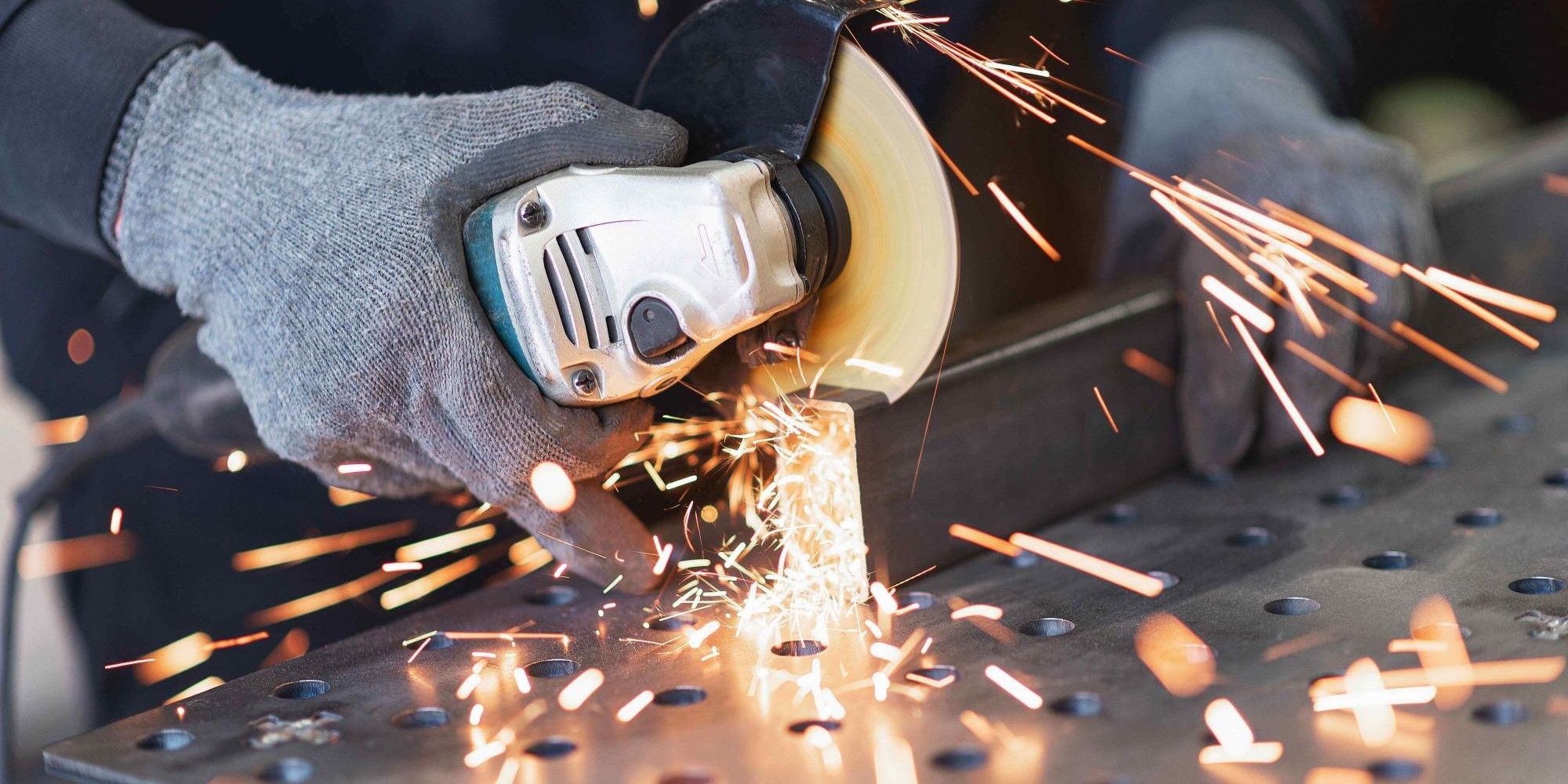
Image Source: www.cutmy.co.uk
Getting Started: Your Angle Grinder Steel Cutting Toolkit
When you’re ready for some angle grinder steel cutting, having the right gear is half the battle. Using an angle grinder for metal is a skill that’s not only useful but also quite satisfying once you get the hang of it. Let’s break down what you need and how to approach cutting metal with grinder operations.
Essential Gear for Metal Cutting
- Angle Grinder: The heart of the operation. Make sure it’s the right size for your task. Smaller grinders (4.5-inch) are great for general use, while larger ones (7-inch or 9-inch) handle tougher jobs.
- Cutting Discs: This is crucial. You need an angle grinder disc for steel or an angle grinder wheel for steel specifically designed for metal. Never use a grinding disc for cutting – they are different and using the wrong one is very dangerous.
- Safety Glasses/Face Shield: Non-negotiable. Metal shards fly everywhere. A full face shield is even better.
- Work Gloves: Protect your hands from heat, sharp edges, and vibration. Heavy-duty leather gloves are ideal.
- Hearing Protection: Angle grinders are LOUD. Earplugs or earmuffs are a must to prevent hearing damage.
- Dust Mask/Respirator: Metal dust and sparks can be harmful to inhale.
- Fire Extinguisher: Always have one nearby. Sparks can ignite flammable materials.
- Clamps or Vise: Securely holding your workpiece prevents it from moving unexpectedly.
- Marking Tool: A marker or scribe to draw your cut line.
- Coolant (Optional): For very long or thick cuts, a spray bottle of water or a specialized cutting fluid can help keep the disc and metal cool, extending disc life and reducing heat.
Choosing the Right Angle Grinder Disc for Steel
The type of disc you use makes a huge difference in performance and safety. For angle grinder steel cutting, you’ll primarily be looking at two types of thin cutting discs:
- Abrasive Cut-Off Wheels: These are the most common and affordable. They are made from abrasive materials like aluminum oxide or silicon carbide. Look for discs specifically labeled for cutting ferrous metals (steel, iron). They typically have a fiberglass mesh embedded for strength.
- Diamond Cutting Blades: While more expensive, these offer a cleaner cut, last longer, and can handle a wider variety of metals, including harder steels and even some stainless steel. They have a continuous rim or segmented edge made of diamond particles.
Key things to look for on a cutting disc:
- “Type 1” or “Type 27” Designation: While Type 27 discs are primarily for grinding, some thin discs are also designated as Type 27. Always confirm it’s a cutting disc.
- Maximum RPM Rating: Ensure the disc’s RPM rating is higher than or equal to your grinder’s maximum RPM.
- Material Suitability: The packaging should clearly state it’s for cutting steel or ferrous metals.
Table 1: Choosing the Right Disc
| Metal Type | Recommended Disc Type | Notes |
|---|---|---|
| Mild Steel | Abrasive Cut-Off Wheel (for ferrous metals) | Cost-effective and readily available. |
| Stainless Steel | Diamond Cutting Blade or specialized stainless steel disc | Abrasive discs can overheat and build up residue on stainless steel. |
| Cast Iron | Abrasive Cut-Off Wheel (for ferrous metals) | May require more passes and cooling. |
| Thick Steel | Thicker abrasive cut-off wheel or diamond blade | More durable discs are needed. Be prepared for slower cuts. |
| Thin Sheet Metal | Thin abrasive cut-off wheel | Prevents excessive bending and distortion. |
Mastering the Angle Grinder Metal Cutting Technique
When you’re cutting metal with grinder, technique is key to both safety and efficiency. The best way to cut steel with angle grinder involves a few core principles.
Pre-Cut Preparation: Setting the Stage for Success
- Secure the Workpiece: This is paramount. Use sturdy clamps or a vise to hold the metal firmly. If the metal can shift or spin, you risk losing control, which is incredibly dangerous. Ensure the piece you are cutting off is also supported so it doesn’t suddenly drop.
- Mark Your Cut Line: Use a marker, chalk, or scribe to draw a clear line where you want to cut. For precise cuts, consider using a combination square or a guide.
- Clear the Area: Remove any flammable materials from your workspace. Sparks can travel quite far.
The Cutting Process: Step-by-Step
- Mount the Disc Correctly:
- Unplug the grinder. Always start with the tool unplugged.
- Use the provided flange and nut. Place the disc onto the spindle, ensuring it sits flat against the inner flange.
- Tighten the outer nut firmly using the grinder’s spanner wrench. Don’t overtighten, but ensure it’s snug.
- Check that the disc spins freely and isn’t warped or damaged.
- Put on All Safety Gear: Don’t compromise here. Glasses, gloves, hearing protection, and a dust mask are essential.
- Position Yourself: Stand with your body to the side of the grinder’s rotational path, not directly behind it. This way, if the disc shatters, it’s less likely to hit you. Ensure you have a stable stance.
- Start the Grinder: Hold the grinder firmly with both hands. Bring it up to full speed before it contacts the metal.
- Begin the Cut:
- For angle grinder steel cutting, the general angle grinder metal cutting technique is to hold the grinder at a shallow angle (around 10-15 degrees) to the workpiece.
- Gently bring the spinning disc into contact with your marked line.
- Let the disc do the work. Don’t force it. Forcing the grinder can cause the disc to bind, overheat, or shatter.
- Use a smooth, steady motion. Try to maintain a consistent pressure.
- Progressing Through the Cut:
- If cutting a long piece, try to cut through in one continuous pass if possible.
- For thicker materials, you might need to make multiple shallow passes, gradually increasing the depth of the cut. This helps prevent the disc from getting stuck.
- When cutting steel pipe with an angle grinder, aim to cut through the wall of the pipe, rotating the pipe as needed to complete the cut.
- If cutting thick steel with an angle grinder, expect it to take longer and generate more heat and sparks. Take breaks to let the tool and the metal cool down.
- Completing the Cut: As you reach the end of the cut, maintain control. Support the piece you are cutting off so it doesn’t fall unexpectedly and cause damage or injury.
- Finishing: Once the cut is complete, turn off the grinder and wait for the disc to stop spinning completely before setting it down.
Safety Tips Angle Grinder Steel: Your Shield Against Danger
Safety tips angle grinder steel aren’t just suggestions; they are critical for preventing serious injury. Here are the most important ones to remember when you are how to use an angle grinder for metal:
Personal Protective Equipment (PPE) is Paramount
- Eye Protection: Always wear ANSI-approved safety glasses or a full face shield. Grinder sparks and metal fragments are sharp and hot.
- Hand Protection: Wear sturdy, close-fitting leather gloves. These protect against cuts, abrasions, heat, and vibration.
- Hearing Protection: Angle grinders are noisy. Use earplugs or earmuffs to protect your hearing from permanent damage.
- Body Protection: Wear thick, non-flammable clothing, like a denim or leather apron and long sleeves. Avoid loose clothing that could get caught in the grinder. Close-toed, sturdy shoes are a must.
- Respiratory Protection: Use a dust mask or respirator rated for fine particles. Metal dust and fumes can be harmful.
Tool and Workspace Safety
- Inspect the Disc: Before each use, check the cutting disc for cracks, chips, or wear. Never use a damaged disc.
- Correct Disc Selection: Use only discs specifically designed for cutting metal. Never use grinding discs for cutting or vice versa. Ensure the disc’s RPM rating matches or exceeds the grinder’s.
- Secure Workpiece: Always clamp your material firmly. A loose workpiece can kick back the grinder or cause an unpredictable cut.
- Stable Stance: Maintain a firm footing and balance. Don’t overreach.
- Two-Handed Grip: Always hold the grinder with both hands. Use the auxiliary handle for better control.
- Unplug When Changing Discs: Always disconnect the grinder from the power source before changing accessories.
- Clear Workspace: Keep your work area clean, dry, and free of flammable materials.
- No Kickback Zone: Be aware of kickback. If the disc binds in the cut, the grinder can violently jump back towards you. Maintain a firm grip and be prepared for this possibility.
- Guard in Place: Never remove or adjust the grinder’s safety guard. It’s there to protect you.
- Let the Tool Stop: Always wait for the grinder to come to a complete stop before setting it down.
- Avoid Wet Cutting: Unless your grinder is specifically designed for wet use, avoid cutting in wet conditions or using water to cool the disc, as this can create an electrical hazard.
- Control Sparks: Direct sparks away from yourself and others. Be mindful of where sparks might land, especially near flammable substances.
Cutting Thick Steel with an Angle Grinder: Tackling Tough Jobs
Cutting thick steel with an angle grinder presents a unique set of challenges. It requires more patience, the right disc, and a slightly adjusted technique.
Disc Selection for Thick Steel
For thicker sections, you’ll want a more robust cutting disc.
- Thicker Abrasive Cut-Off Wheels: Look for discs that are slightly thicker than standard cutting discs (e.g., 1/8 inch or 3/32 inch instead of 1/16 inch). These are less prone to breaking.
- Diamond Cutting Blades: These are often the best choice for very thick or hard steel as they can handle the heat and abrasion much better.
Technique for Thick Steel
- Patience is Key: Don’t rush. Trying to force the grinder will only make the job harder and more dangerous.
- Multiple Passes: Instead of trying to cut through in one go, make several shallower passes. This reduces the stress on the disc and the grinder, and it’s easier to control.
- Cooling: Thick steel generates a lot of heat. Allow the disc and the workpiece to cool down periodically. You can use a spray bottle of water for cooling, but be cautious of the steam and ensure no water gets into the grinder’s motor if it’s not designed for wet use.
- Maintain Angle: Keep that shallow 10-15 degree cutting angle.
- Support the Cut: As you cut deeper, ensure the piece being cut off is supported so it doesn’t put undue stress on the disc as it breaks through.
- Clear Debris: Frequently brush away metal chips and dust from the cut to prevent them from building up and binding the disc.
Cutting Steel Pipe with an Angle Grinder: Specific Considerations
Cutting steel pipe with an angle grinder is a common task, but there are a few extra points to keep in mind.
- Pipe Support: Ensure the pipe is securely clamped and won’t roll. If it’s a long piece, you might need additional supports.
- Cutting Angle: Aim to make your cut perpendicular to the pipe’s length.
- Completing the Circumference: For most pipe cuts, you’ll be cutting through the entire circumference. Maintain a steady speed and angle.
- Deburring: After cutting, the edges of the pipe will be sharp and may have burrs. You’ll want to use the grinder (with a grinding disc or flap disc) or a file to smooth these down.
Frequently Asked Questions (FAQ)
Here are some common questions people have about cutting steel with an angle grinder:
Q1: Can I use a grinding disc to cut steel?
A: No. Grinding discs are thicker and designed to remove material from the surface at an angle. Using a grinding disc for cutting can cause it to shatter violently, leading to severe injury. Always use a thin cutting disc for steel.
Q2: How long do angle grinder cutting discs last?
A: The lifespan of a cutting disc depends on the type of disc, the type and thickness of the metal being cut, and your cutting technique. Abrasive discs wear down with use, while diamond blades last much longer but are more expensive initially.
Q3: What is the best angle to hold the grinder when cutting steel?
A: For cutting metal with an angle grinder, a shallow angle of about 10-15 degrees to the surface of the metal is generally recommended. This allows the edge of the disc to do the cutting, rather than the face, which can cause binding and breakage.
Q4: Why is my angle grinder disc wearing out so quickly?
A: Several factors can contribute to rapid disc wear:
* Wrong disc type: Using a disc not designed for the material.
* Too much pressure: Forcing the grinder instead of letting the disc work.
* Overheating: Not allowing the disc and workpiece to cool.
* Cutting thick material with a thin disc: Using a disc that isn’t robust enough for the job.
* Disc quality: Cheaper discs may not last as long.
Q5: How do I prevent my angle grinder from binding?
A: Binding often happens when the disc gets stuck in the material. To prevent this:
* Ensure the workpiece is securely clamped.
* Make clean, straight cuts.
* Don’t twist or force the grinder.
* Support the piece being cut off, especially when nearing the end of the cut.
* For thicker materials, make multiple shallow passes.
Q6: Can I cut galvanized steel with an angle grinder?
A: Yes, you can cut galvanized steel. However, the zinc coating will vaporize, producing fumes. Ensure you have excellent ventilation and wear a respirator suitable for metal fumes. The sparks may also be slightly different.
Q7: What are the dangers of cutting metal with an angle grinder?
A: The main dangers include:
* Flying debris: Metal shards can cause eye injuries or cuts.
* Disc shatter: Damaged or improperly used discs can break apart explosively.
* Kickback: The grinder can violently jump back if the disc binds.
* Fire hazard: Sparks can ignite nearby flammable materials.
* Electrical shock: Using a grinder in wet conditions or with a damaged cord.
* Noise-induced hearing loss: Prolonged exposure to loud noise.
* Fume inhalation: Cutting coated metals or certain alloys can produce toxic fumes.
By following these comprehensive guidelines and prioritizing safety above all else, you can effectively and safely use an angle grinder for a wide range of steel cutting tasks. Remember to always review your tool’s manual and stay alert.